.svg)
Ngā kiko
Backing whānau-led solutions to create lasting change
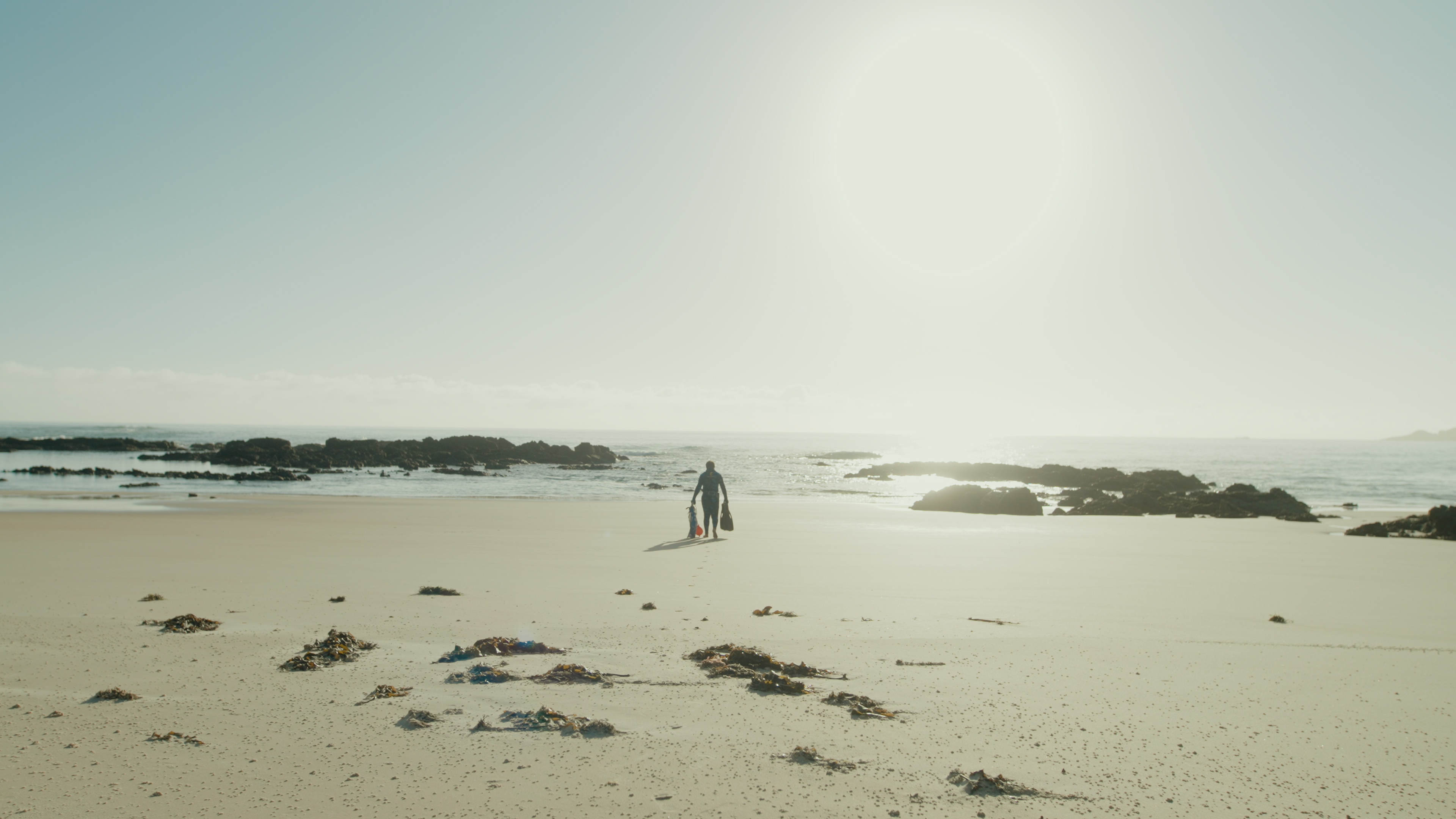
Imagine a Te Tai Tokerau where whānau help shape decisions about their own communities. Where environments reflect the wellbeing of the people who live there. Where mātauranga Māori shapes how hauora is understood, designed, and sustained.
That is the Te Tai Tokerau we are working towards.


Te tuakiri o Healthy Families Far North
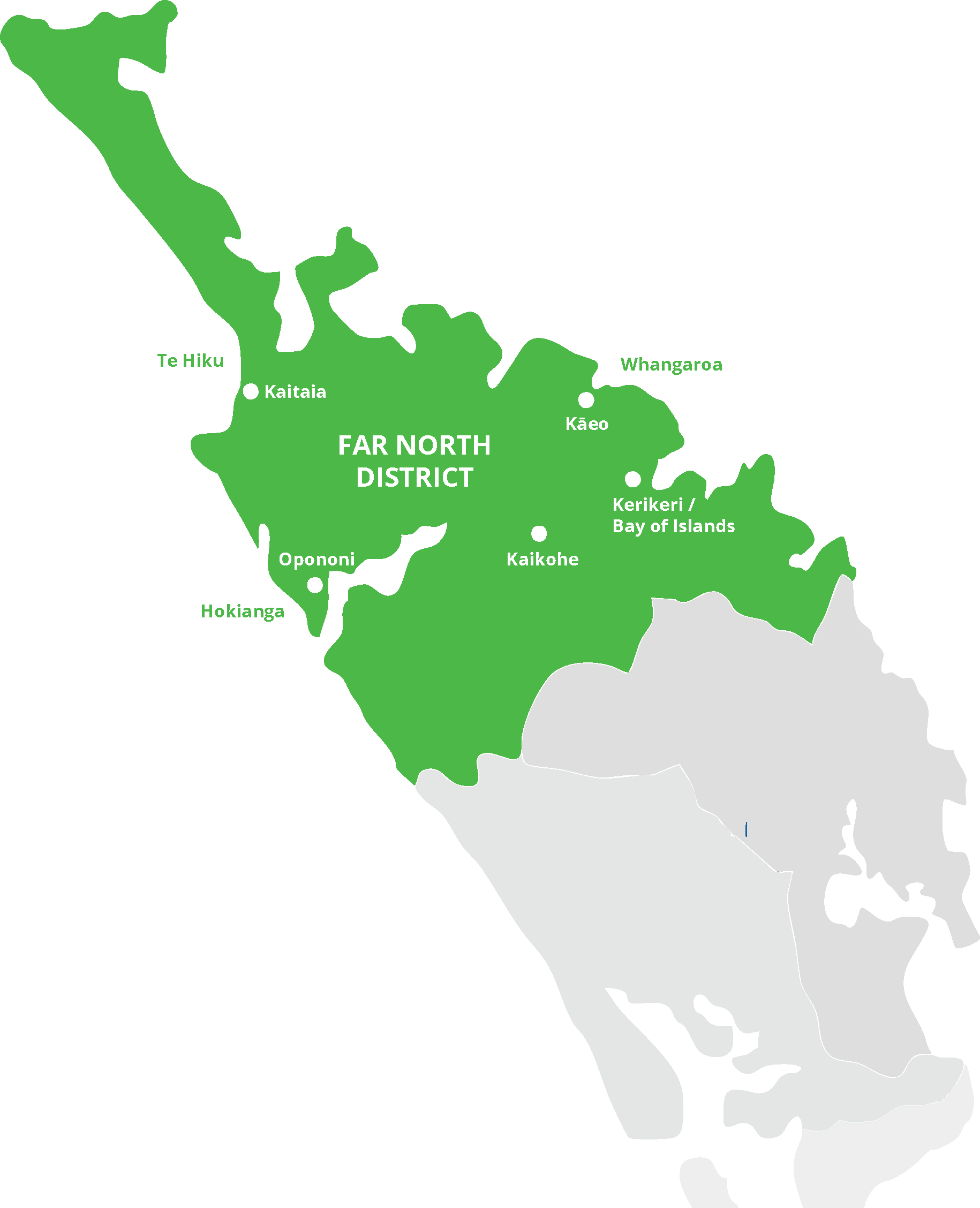
Healthy Families Far North works to shift the conditions that shape health and wellbeing across Te Tai Tokerau. We work alongside whānau, hapū, hapori, and the organisations, services and decision-makers connected to our communities. Together, we support environments where the values of the Far North are reflected in the decisions shaped by the people who live here.
We are one of 10 Healthy Families NZ locations across Aotearoa, united by a shared commitment to preventing chronic disease. Our contract is held by Te Rūnanga o Whaingaroa, an iwi organisation woven into the fabric of this rohe and the communities we serve.
We work to ensure the people most impacted are part of the decisions shaping their communities and futures. We back communities to lead, design and shape the world our mokopuna will inherit.
.svg)
Te ara haepapa
We show up with purpose, stay in relationship and work alongside whānau, hapori, organisations and decision-makers to help shape communities that reflect what matters most to the people of Te Tai Tokerau.

Ngā kaimahi
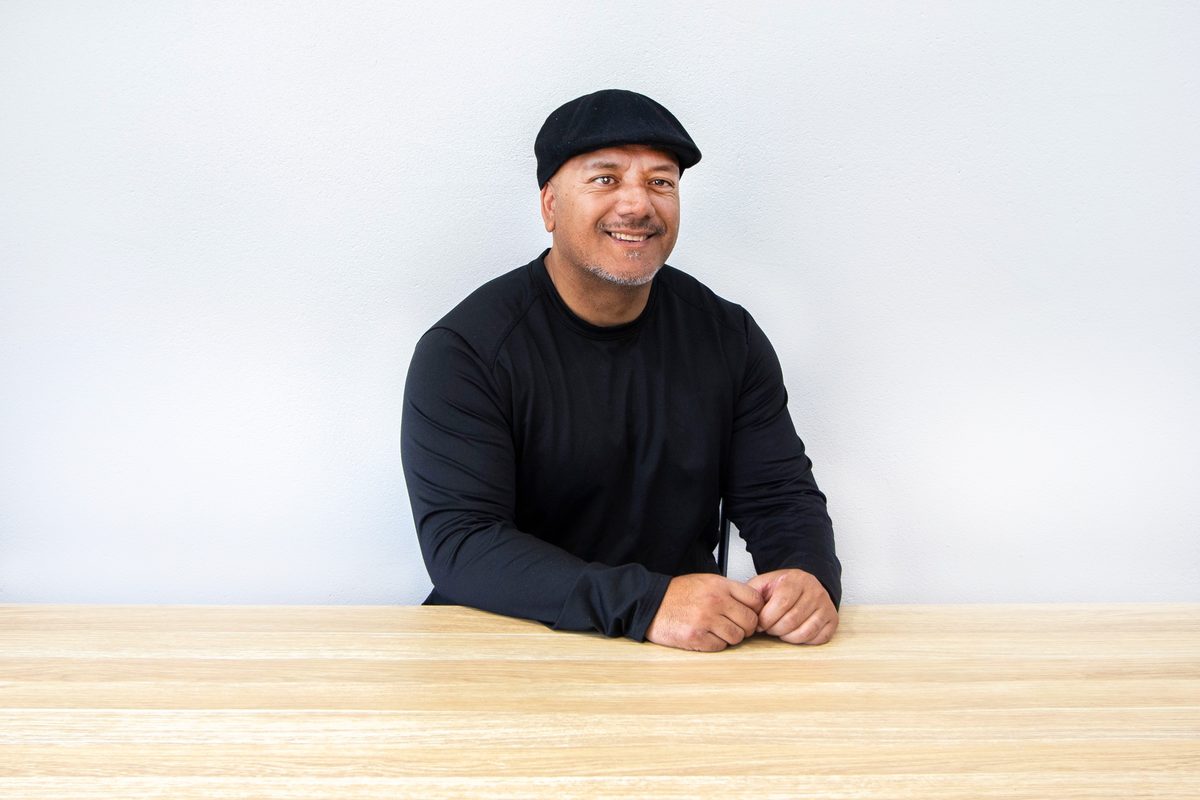
Mike Tipene
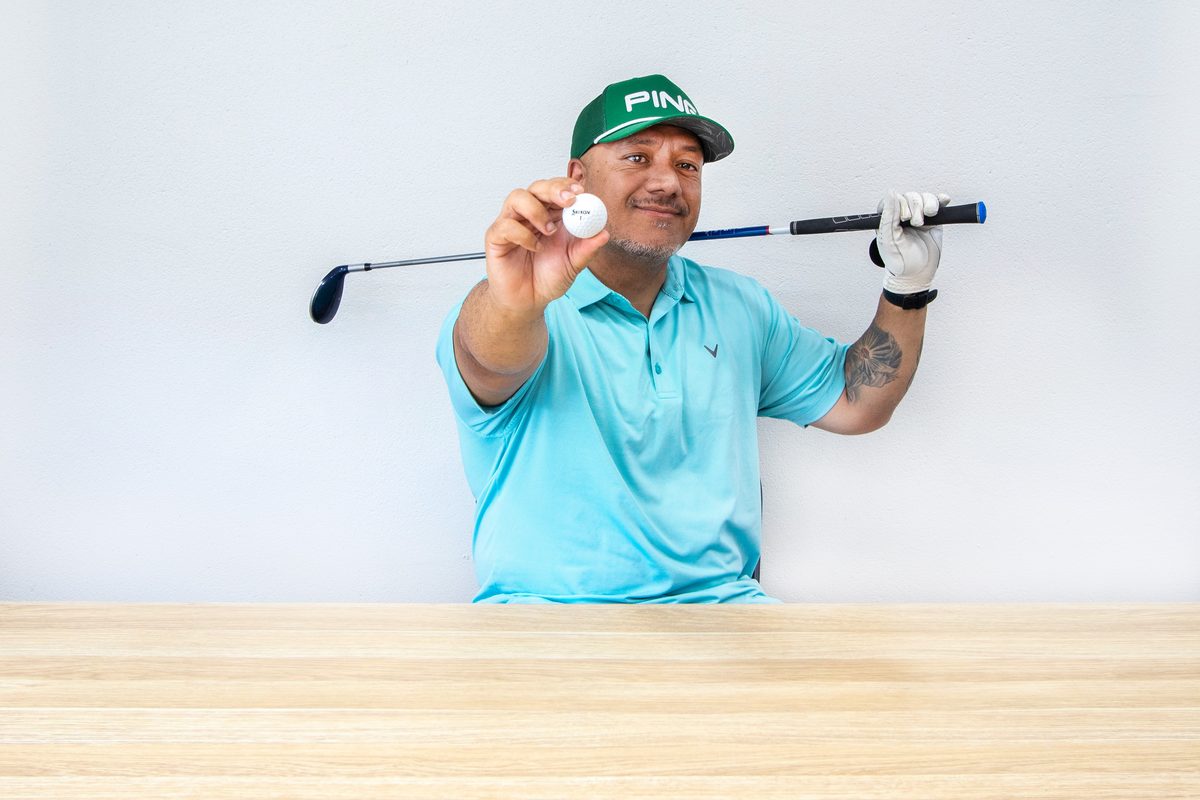
Leads with mana, purpose and a gift for making complex mahi make sense. Rumour has it that some of his best hui happen on the golf course.
Calm, thoughtful, and grounded in te ao Māori, Mike is our Manager, leading Healthy Families Far North with both mana and purpose. Whether sitting with whānau or presenting to decision-makers in leadership spaces, he has a particular gift for making sense of complex challenges and articulating our mahi with clarity. Rumour has it some of his best hui happen on the golf course. We can neither confirm nor deny.
mike.tipene@whaingaroa.iwi.nz
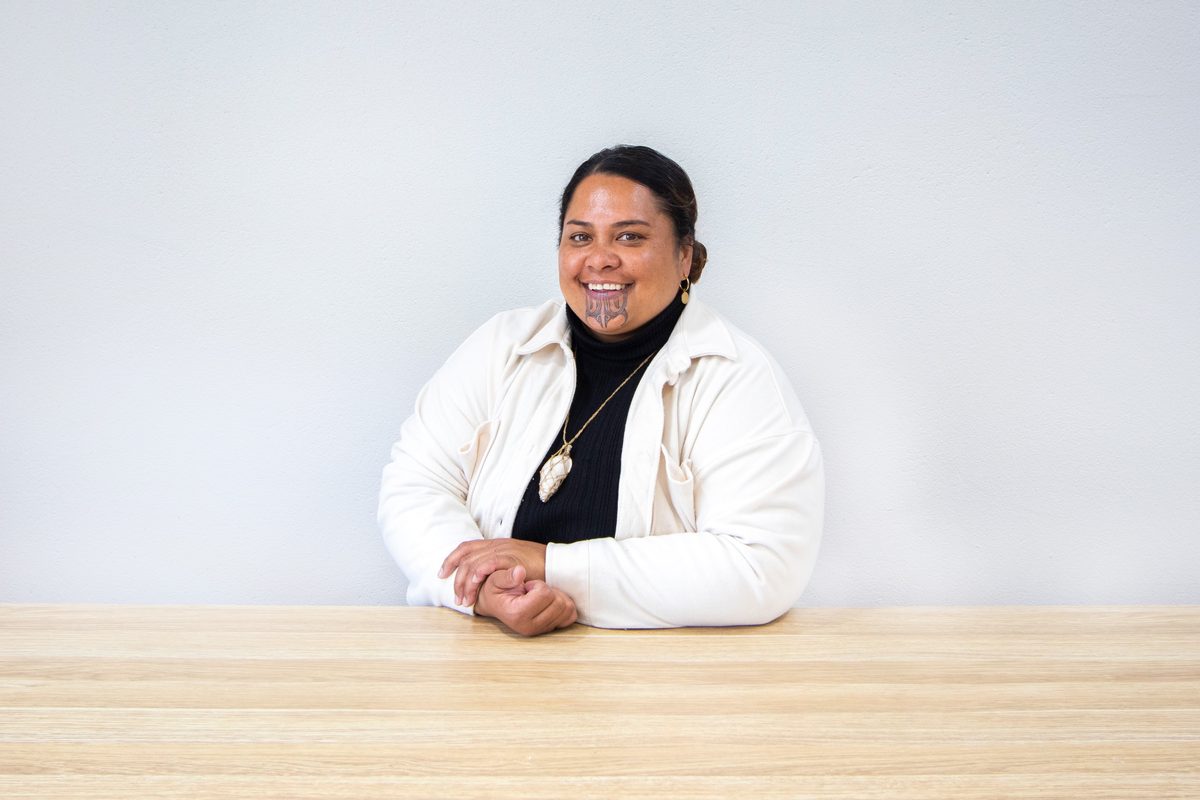
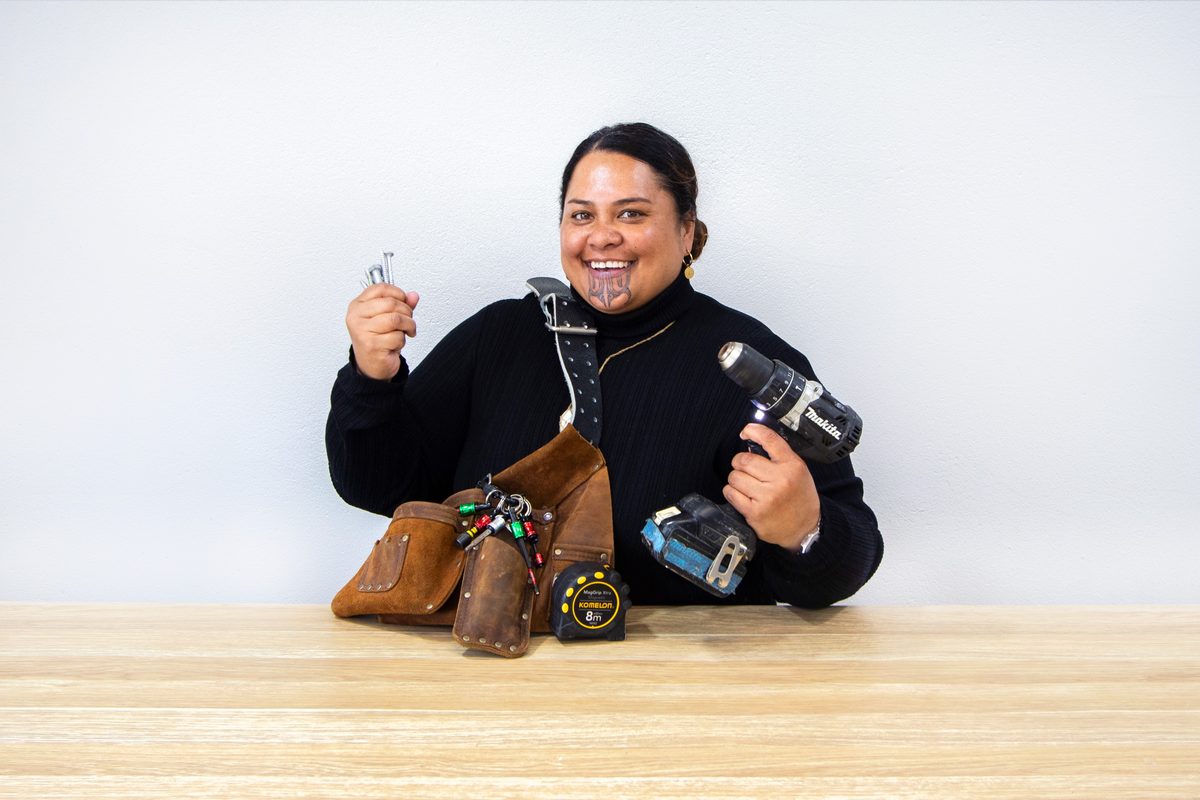
Elizabeth Motu
Cultural backbone of the team and tikanga-led systems thinker, with a toolbox always on standby and at least three unfinished projects at home.
Grounded in tikanga and driven by deep relational intelligence, Riri is the cultural backbone of our mahi. She brings facilitation, systems thinking and high-level influence to every kaupapa she touches, ensuring Māori voices are represented at regional and national levels and decisions are shaped by the people most affected by them. Give her a toolbox, and she'll build you something. Whether she'll finish it is another story, but she'll definitely start something impressive.
Riri.Motu@whaingaroa.iwi.nz
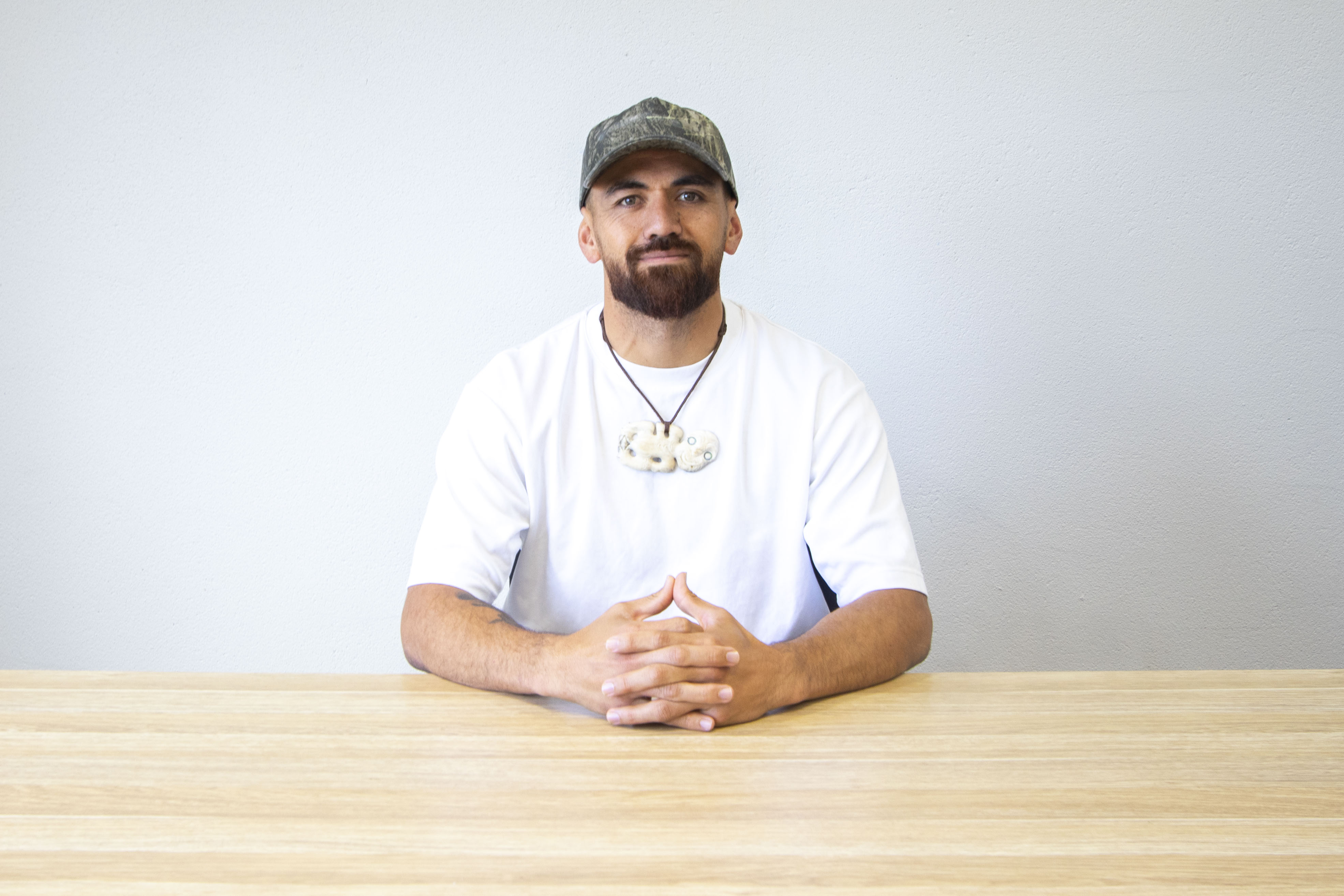
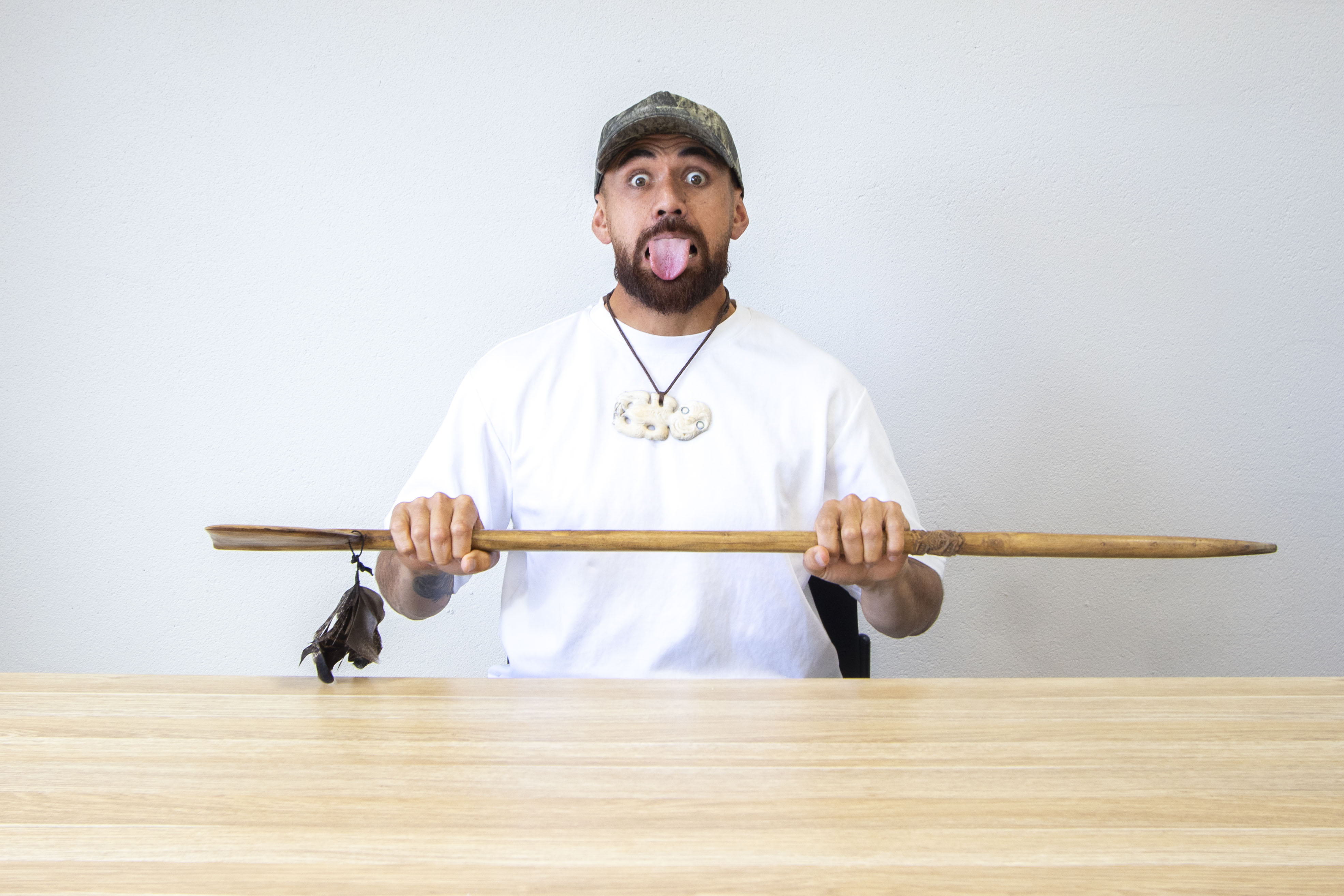
Takoha Ropati
Connected across communities and sectors, carrying intergenerational knowledge that bridges past and future. Our resident karakia expert, known to karakia so hard he changes the weather.
Bringing cultural depth, wide-reaching relationships, and a helicopter view across settings and sectors, Takoha is our Māori Systems Innovator and resident karakia expert. Known to karakia so hard he changes the weather. Clouds roll in when he stands, and clear up the moment someone else takes over. Coincidence? Jury's still out.
Takoha.Ropati@whaingaroa.iwi.nz
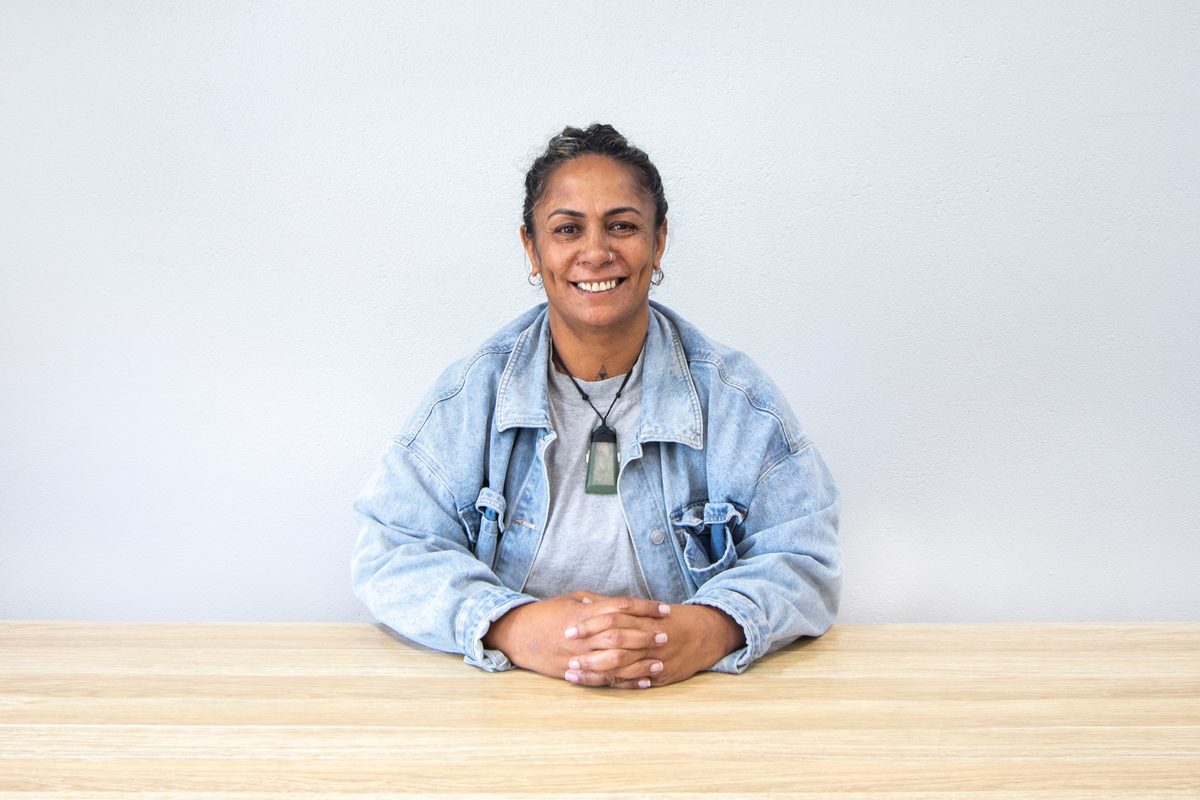

Tawhi Tua
Keeps kaupapa moving with manaakitanga and clear purpose. So good at hosting hui that people forget to leave.
Anchored in manaakitanga and deep roots in this rohe, Tawhi is our Lead Systems Innovator, ensuring every hui, engagement, and relationship feels meaningful, safe, and purposeful. She brings breadth and depth across communities, organisations and sectors, keeping kaupapa moving with both authenticity and clear purpose. Never misses a CrossFit session, always hitting her steps. We're pretty sure she buys her lunch from the furthest possible place just to hit her target. The peace fingers are non-negotiable.
tawhi.tua@whaingaroa.iwi.nz
Adelina Tito
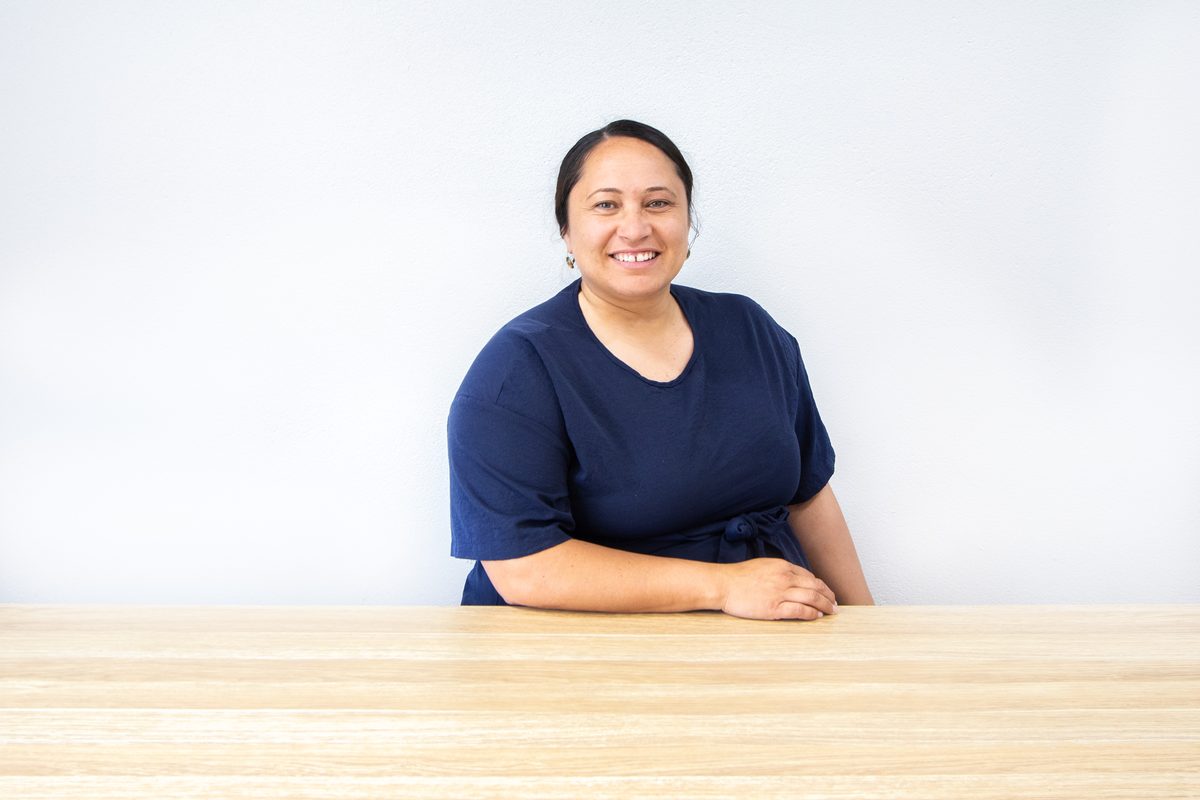
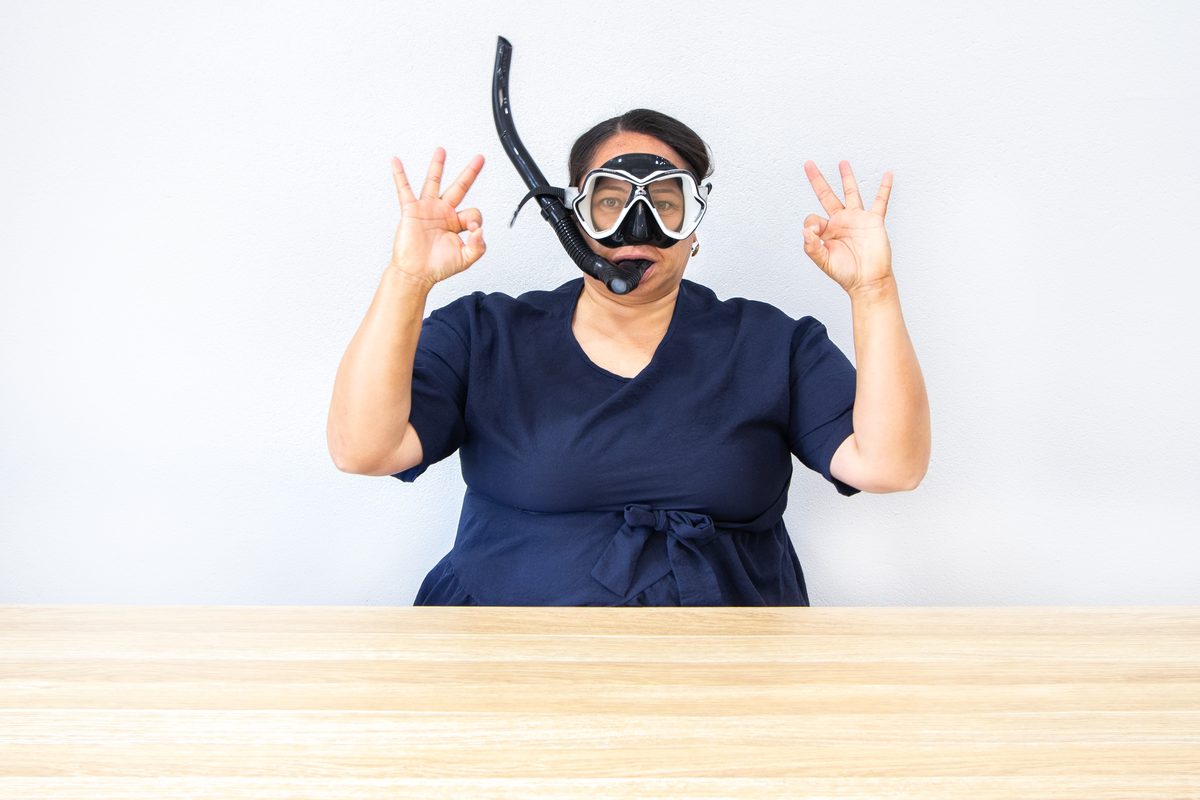
Creates safe spaces for honest kōrero and holds kaupapa with equal heart and clarity. Conveniently always has her dive gear ready to go. You know, just in case.
A natural pou for relational trust, Adelina is our Systems Innovator who brings both heart and clarity to complex mahi. She creates safe spaces for honest and difficult conversations, holding people and kaupapa with equal care while navigating complexity with humanity and humour. Give her any excuse to chuck on her diving kit, and she'll find a way to make it mahi. Turns out kaimoana gathering is actually a systems change strategy.
adelina.tito@whaingaroa.iwi.nz
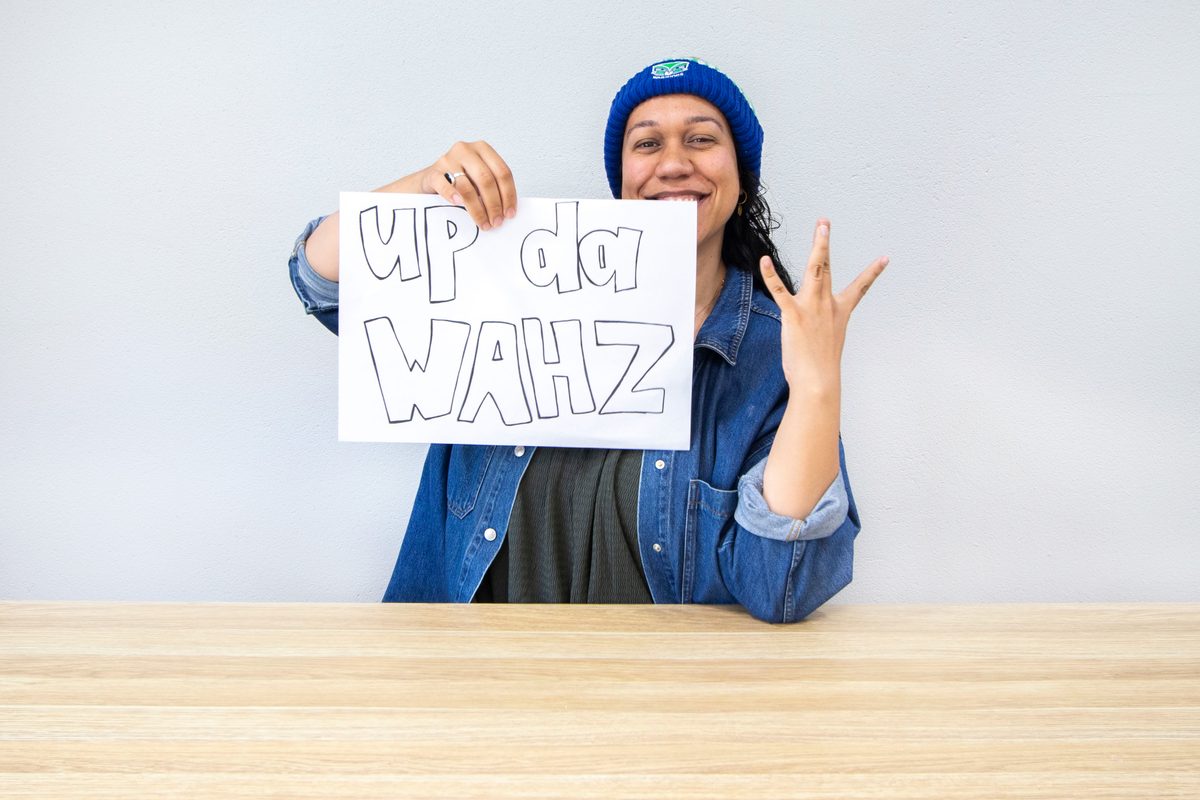
Talei Anderson
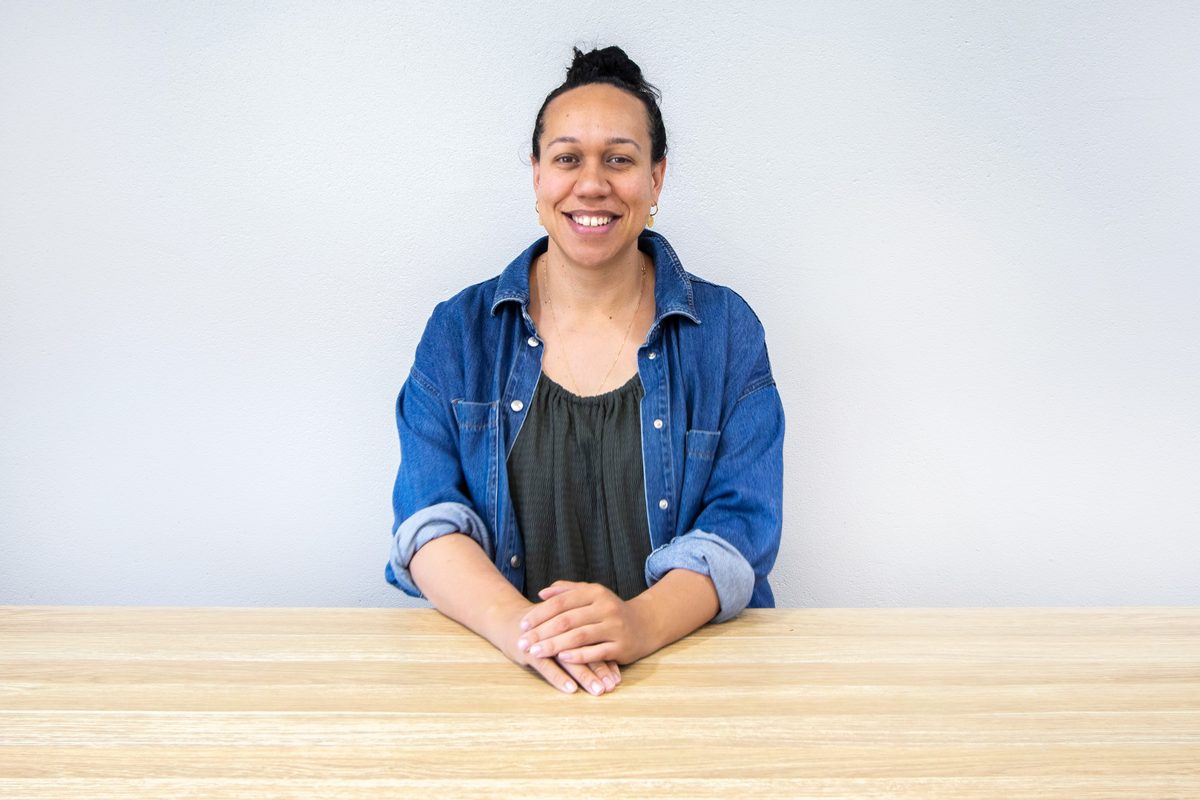
Draws out narratives and weaves them into communications that influence across regional and national spaces. "This is our year!" or so she says... every year.
Genuinely gifted at listening, Talei is our Communications Lead, drawing out narratives and weaving them into communications that influence at regional and national levels. Her calm leadership and strategic mind make her a natural guide in both whānau-facing and decision-making spaces. Always backing the underdog, "This is our year!" or so she says... every year. Up the Wahs!
talei.anderson@whaingaroa.iwi.nz
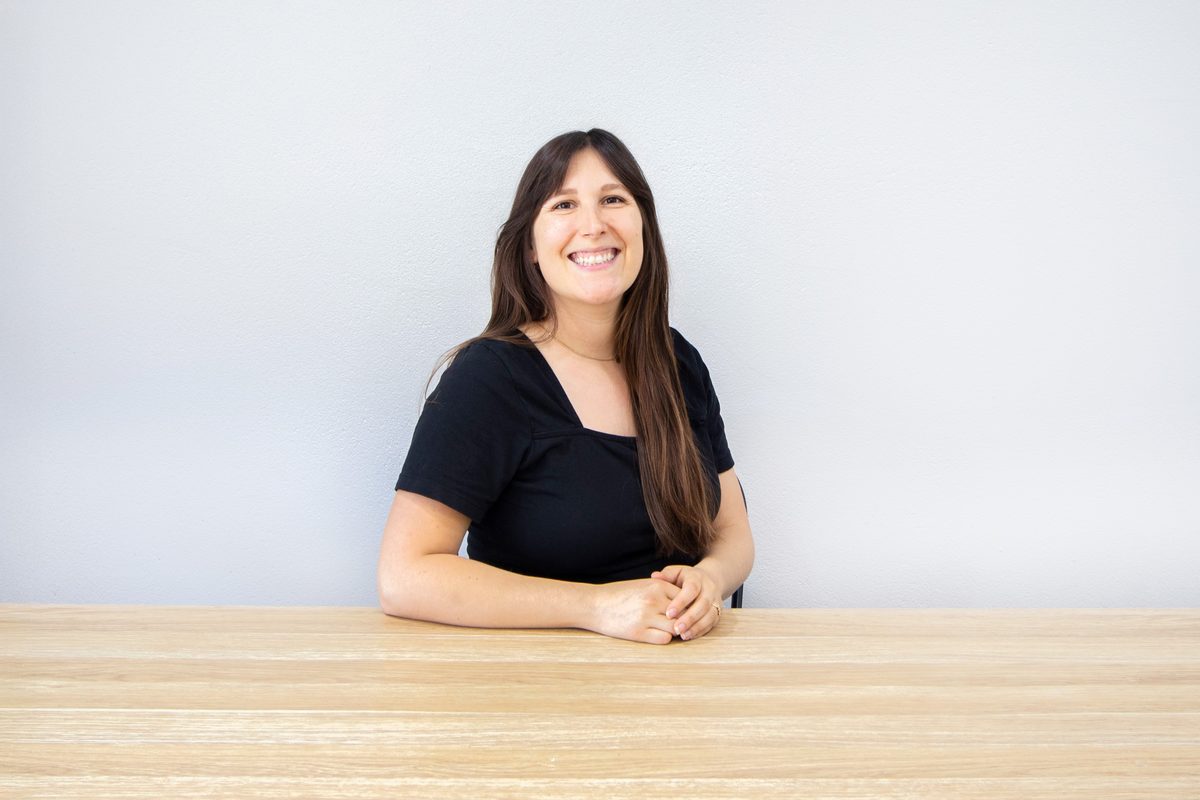
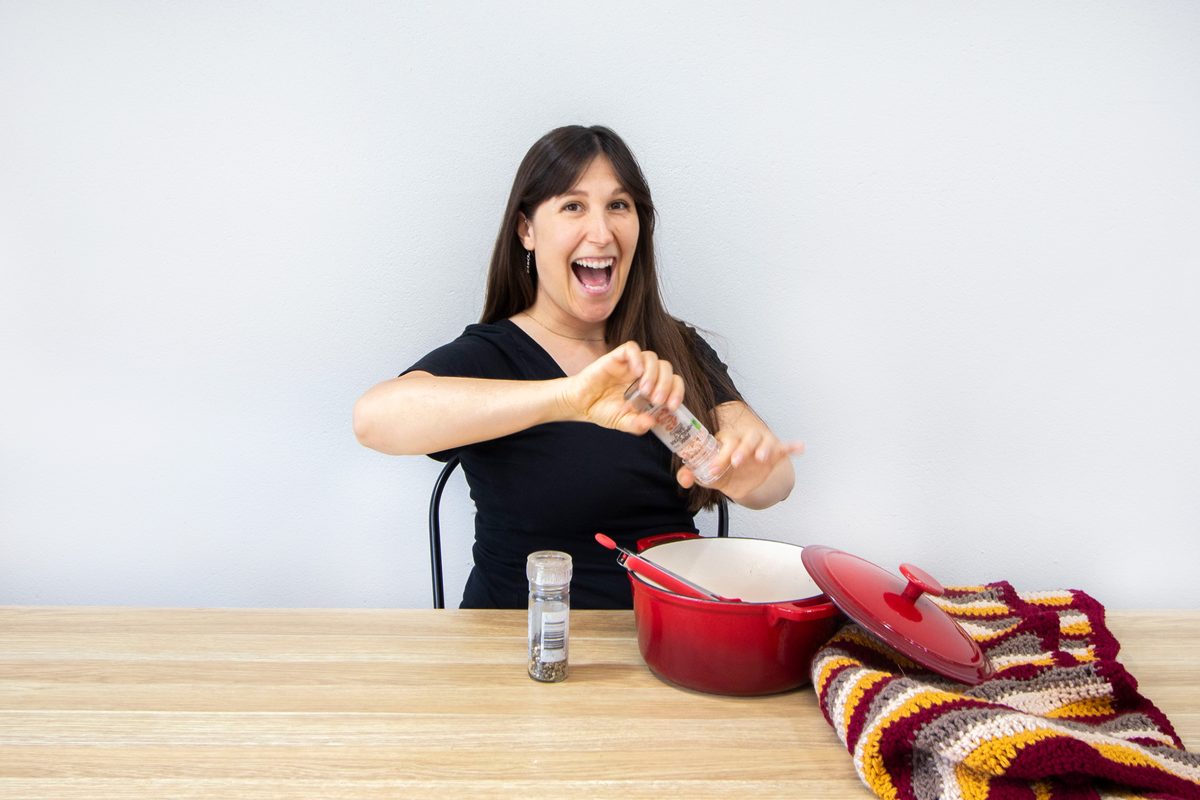
Sasja Mazurkiewicz
Design and systems thinker who makes complex mahi visible. A genuinely good cook, less so a baker, mostly because she treats a recipe as more of a suggestion.
Bringing curiosity, warmth, and a talent for making systems change visible through design and visuals, Sasja helps whānau, organisations, and decision-makers see what is possible. Her energy and social skills make her a natural bridge-builder, while her outside-in perspective keeps the mahi fresh and thinking sharp. In the kitchen, she's a genuinely good cook. Baking, not so much. She's yet to meet an instruction she won't improvise on, and the results are a bit of a gamble.
sasja.mazurkiewicz@whaingaroa.iwi.nz
Lorem ipsum dolor sit amet, consectetur adipiscing elit. Suspendisse varius enim in eros elementum tristique. Duis cursus, mi quis viverra ornare, eros dolor interdum nulla, ut commodo diam libero vitae erat. Aenean faucibus nibh et justo cursus id rutrum lorem imperdiet. Nunc ut sem vitae risus tristique posuere.
2026
Today
The conditions that shape hauora in Te Tai Tokerau did not appear by chance — they are the accumulation of decisions made over generations, many of which removed power, land, language, and healing knowledge from our people. Our mahi today is a direct response to that history. We work to reshape the environments whānau move through, return decision-making power to hapori, back rangatahi to lead their own solutions, and embed mātauranga Māori into the systems that shape daily life. We address the root causes of preventable illness rather than its symptoms — strengthening kai sovereignty, building local resilience, and shifting the narratives that hold our communities back from thriving. This is not new thinking. It is a return to what our tūpuna always knew.
2019
Te Rūnanga o Whaingaroa takes up the kaupapa
Te Rūnanga o Whaingaroa brought a deepened focus on building capability and working in complexity. This was also the period of Covid-19, which surfaced the inequities already present in Te Tai Tokerau — and showed that when it needs to, the system has the capacity to shift.
2014
Healthy Families Far North begins
The health inequities visible in Te Tai Tokerau today are not inevitable — they are the accumulated result of generations of decisions that removed power, land, language, and healing knowledge from our people. Healthy Families NZ was established across Aotearoa in 2014 to address those upstream conditions through systems change and community leadership. In Te Tai Tokerau, Healthy Families Far North began — with Te Rūnanga o Te Rarawa carrying the kaupapa from 2014, before Te Rūnanga o Whaingaroa took up the contract in 2019.
1987
Te Reo Māori becomes an official language
The Māori Language Act 1987 made Māori an official language of New Zealand and established Te Taura Whiri i te Reo Māori, the Māori Language Commission. This was a hard-won recognition — the result of decades of advocacy, petition, and protest by Māori communities who refused to let their language disappear. For Te Tai Tokerau, whose people had long carried te reo as a living taonga, it was a moment of formal acknowledgement of what had always been true.
1982-1985
Kōhanga Reo and Kura Kaupapa Māori
By 1975, fewer than 5% of Māori school children could speak te reo — the result of decades of policy that punished children for speaking their own language. In response, whānau and kaumātua established the first kōhanga reo in 1982, immersing tamariki in te reo from birth. The first kura kaupapa Māori followed in 1985 — creating a full immersion pathway through primary school and returning mātauranga Māori to the centre of learning.
1975
Te Hīkoi / The Māori Land March and the Waitangi Tribunal
Led by 79-year-old Whina Cooper, the 1975 Land March left from Te Hāpua — the tail of the fish, the heart of Te Tai Tokerau. Growing from 50 marchers to thousands, the hīkoi carried one clear message: not one more acre of Māori land. The severing of whānau from their whenua had already taken a profound toll — on identity, on food sovereignty, on the social and spiritual connections that sustain hauora. The Land March contributed to the establishment of the Waitangi Tribunal, giving Māori a formal process to name what had been done — and to demand redress.
1867–1907
Suppressing Māori knowledge and identity
Two pieces of legislation struck at the heart of Māori wellbeing. The Native Schools Act of 1867 established state-controlled schools where instruction was conducted in English — over time, many Māori children were physically punished for speaking their own language, with lasting impacts on identity, whānau wellbeing, and intergenerational hauora. The Tohunga Suppression Act of 1907 criminalised traditional Māori healing knowledge, severing communities from rongoā and the practices that had sustained hauora for generations. Together these acts dismantled the very systems that had kept our people well.
6 February 1840
Te Tiriti o Waitangi
Te Tiriti o Waitangi was first signed at Waitangi, in the heart of Te Tai Tokerau. The Māori text promised the protection of tino rangatiratanga — Māori authority over their lands, villages, and taonga. What followed was a systematic breach of those promises, with lasting consequences for the health and wellbeing of our people.
28 October 1835
He Whakaputanga o te Rangatiratanga
On 28 October 1835, 34 northern rangatira signed He Whakaputanga o te Rangatiratanga o Nu Tireni at Waitangi — asserting that mana and sovereign power resided fully with Māori, and that foreigners would not be allowed to make laws. Signed in the heart of Te Tai Tokerau, it was a bold declaration that Māori systems of governance, healing, and decision-making were intact and sovereign. What followed — through Treaty breaches, land loss, and legislative suppression — was a systematic dismantling of those very systems, with lasting consequences for the hauora of our people.
Pre-1800s
Te Tai Tokerau
Before colonisation, Māori communities in Te Tai Tokerau thrived. Whānau held authority over their own decisions. Environments were shaped by mātauranga Māori — food systems, water, land, and healing practices that kept people well. Te reo carried the knowledge that sustained communities across generations. Hauora was woven into the fabric of daily life.
Te orokohanga
The conditions that shape hauora in Te Tai Tokerau have deep roots. This timeline traces that history and the purpose it gives our mahi today.