.svg)
The Fire Project: How a wāhine-led kaupapa is rebuilding hauora across Te Tai Tokerau one cabin at a time
A wāhine-led kaupapa rebuilding hauora across Te Tai Tokerau.
"I'm learning how to build a cabin on my marae."
Ruby has whakapapa to Te Hāpua, but it's the first time she's ever set foot on this marae.

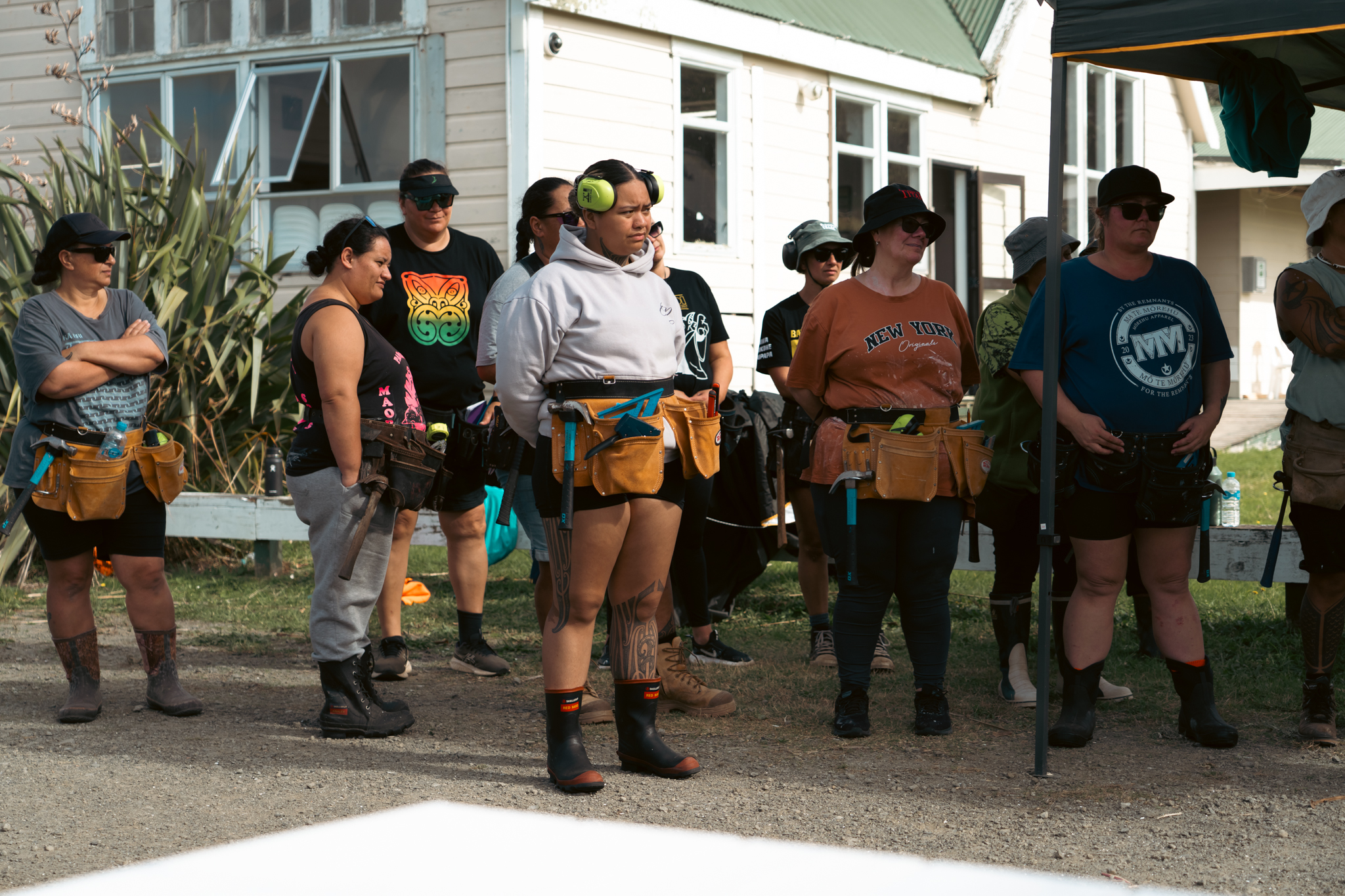
She's come for The Fire Project, a five-day wānanga working alongside other wāhine, to learn how to build a relocatable cabin from the ground up.
Most arrive on Wednesday having never picked up a nail gun before. By Sunday, the cabin is standing complete on the marae, built to NZ Building Standards.
Ruby will drive home with new skills, with the names of friends and whānau she's never met before, and with a marae she now knows as hers.
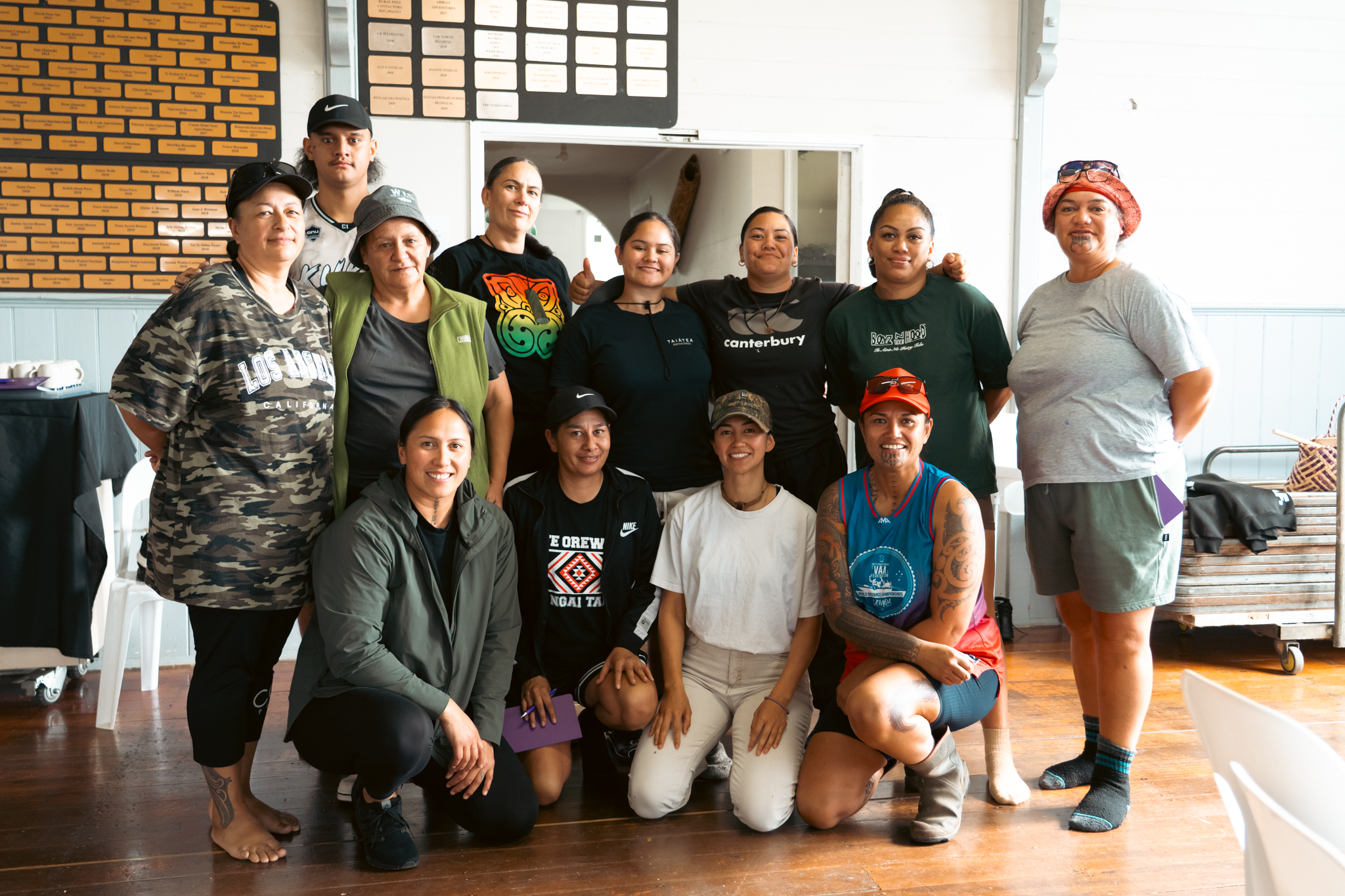
It's the eighth wānanga in two years, and the ninth cabin.
Hundreds of participants have come through The Fire Project since Native Sports Performance launched it in 2024.
From Utakura south of the Hokianga Harbour, to Te Hāpua, the tail end of the country, the kaupapa has been hosted on marae across Te Tai Tokerau.
Aroha Savage is the lead builder and facilitator of The Fire Project. A former Black Fern and a qualified chippy, she and her fellow team-mate Rawinia Everitt started Native Sports Performance to grow high-performance opportunities in the Far North.
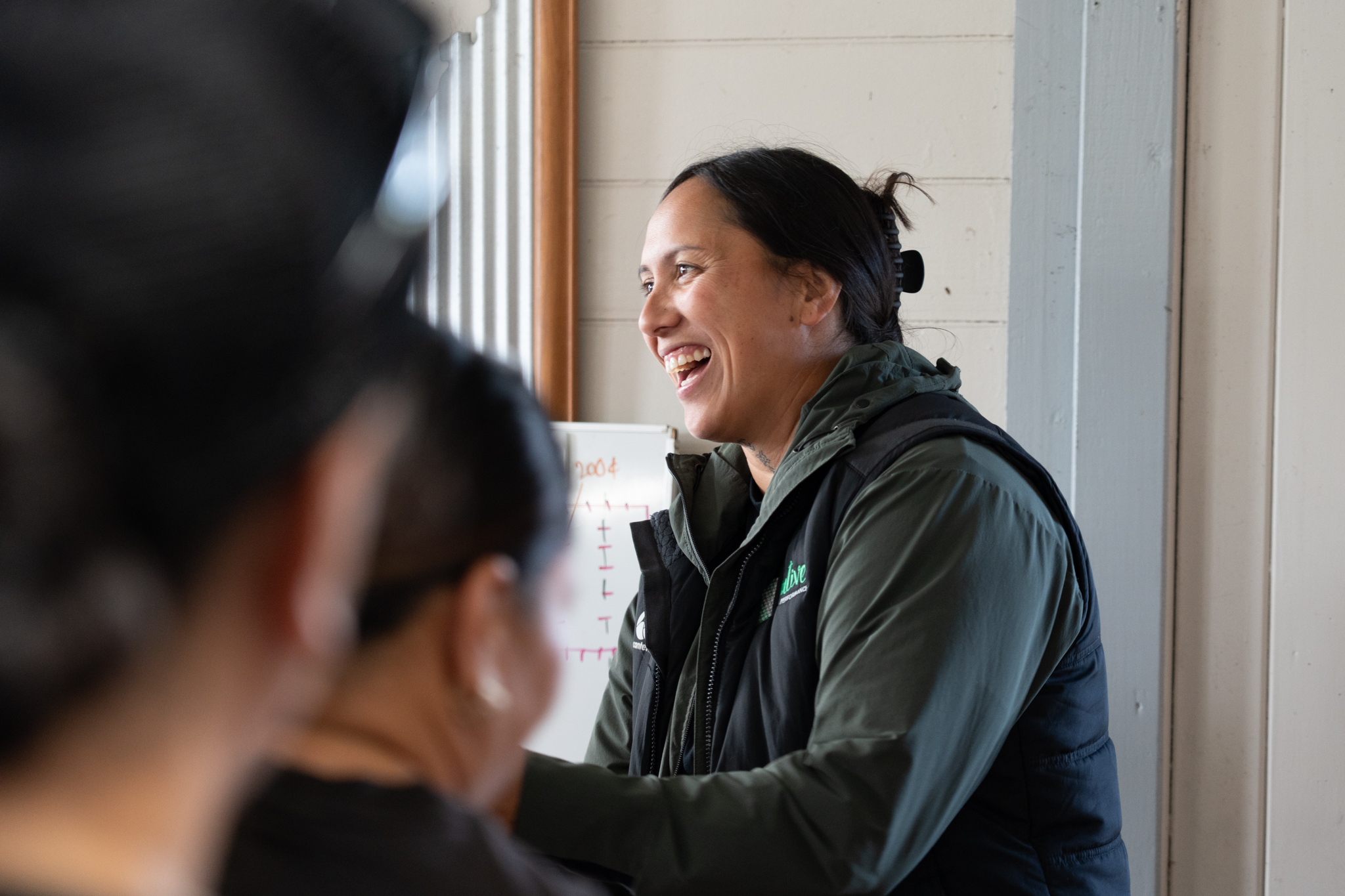
“That was the plan,” she says.
But sport was never going to be enough.
"It just set off an alarm inside. We could see the real-life hardship our people were going through. Housing issues, problems at home, struggles to get kids to training. I was like, okay, we need to stop being mad at these kids for not showing up to training because there's deeper issues going on in the home.”
Aroha isn't the only one who could see it.
Te Tai Tokerau has known its share of strain. Economic, generational, structural. Whānau on housing lists and whenua waiting for its people to come back.
She didn't wait for anyone to do something about it. Instead, she and a couple of her best mates built a cabin.
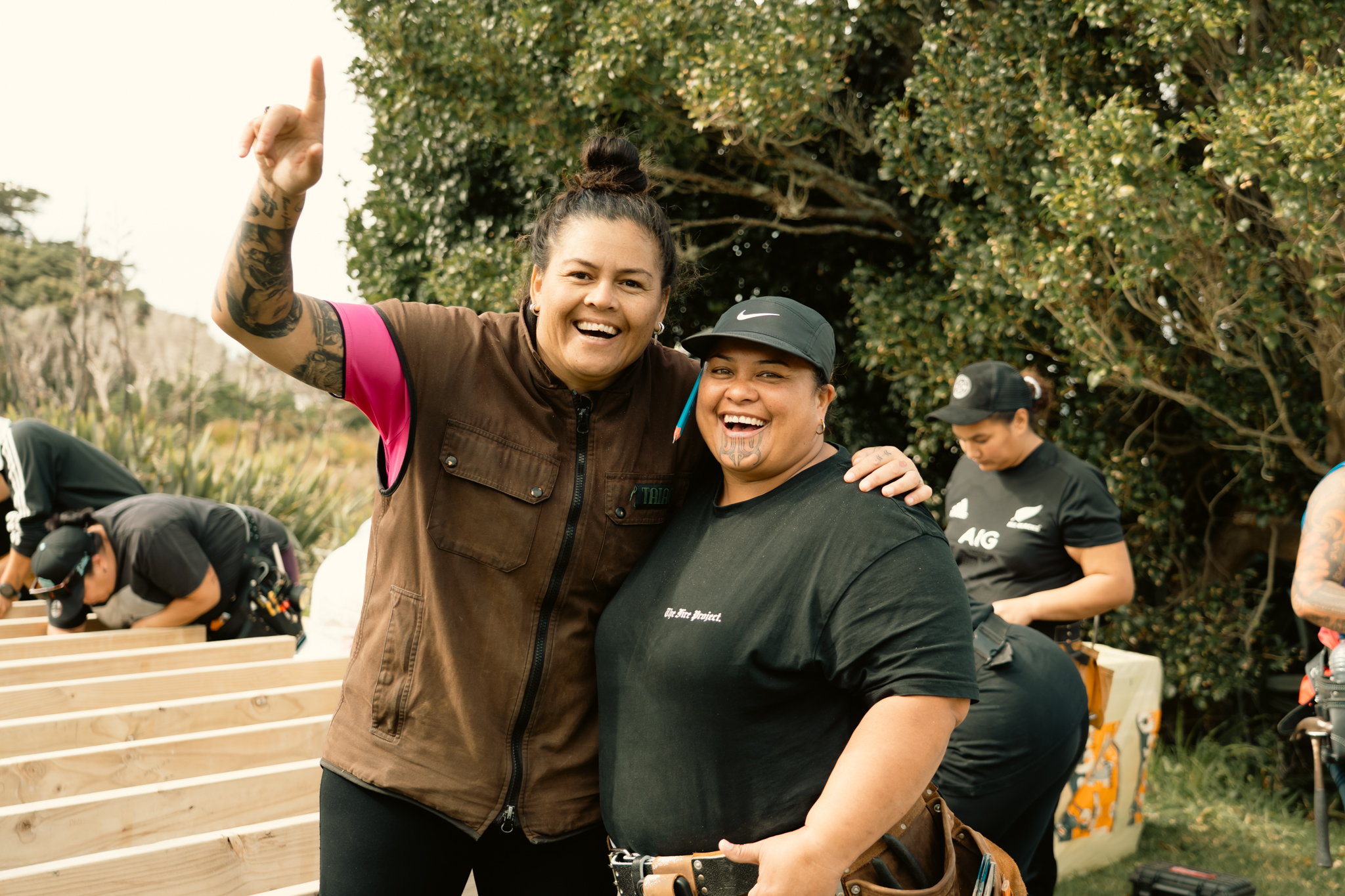
“We didn’t know if that was going to be the solution, but when we finished it, we just wanted everyone to experience that feeling,” she says.
“We’ve got heaps of whānau who have whenua, so just teaching them how to build something that was warm, dry and affordable, that became one of our goals… for them to be self-reliant and self-sufficient.”
It’s not all about building either.
"We're using building as a vehicle to empower everybody."
“The more wānanga we’ve done, the more we’ve realised the skills, the building, the cabin, that’s the tangible reward you get from this. What’s more rewarding is seeing people return to their marae, to connect with their roots, their people, to give back in a different way… it’s a feeling that you can’t explain. That’s what this kaupapa is about.”
That feeling doesn't happen just anywhere.
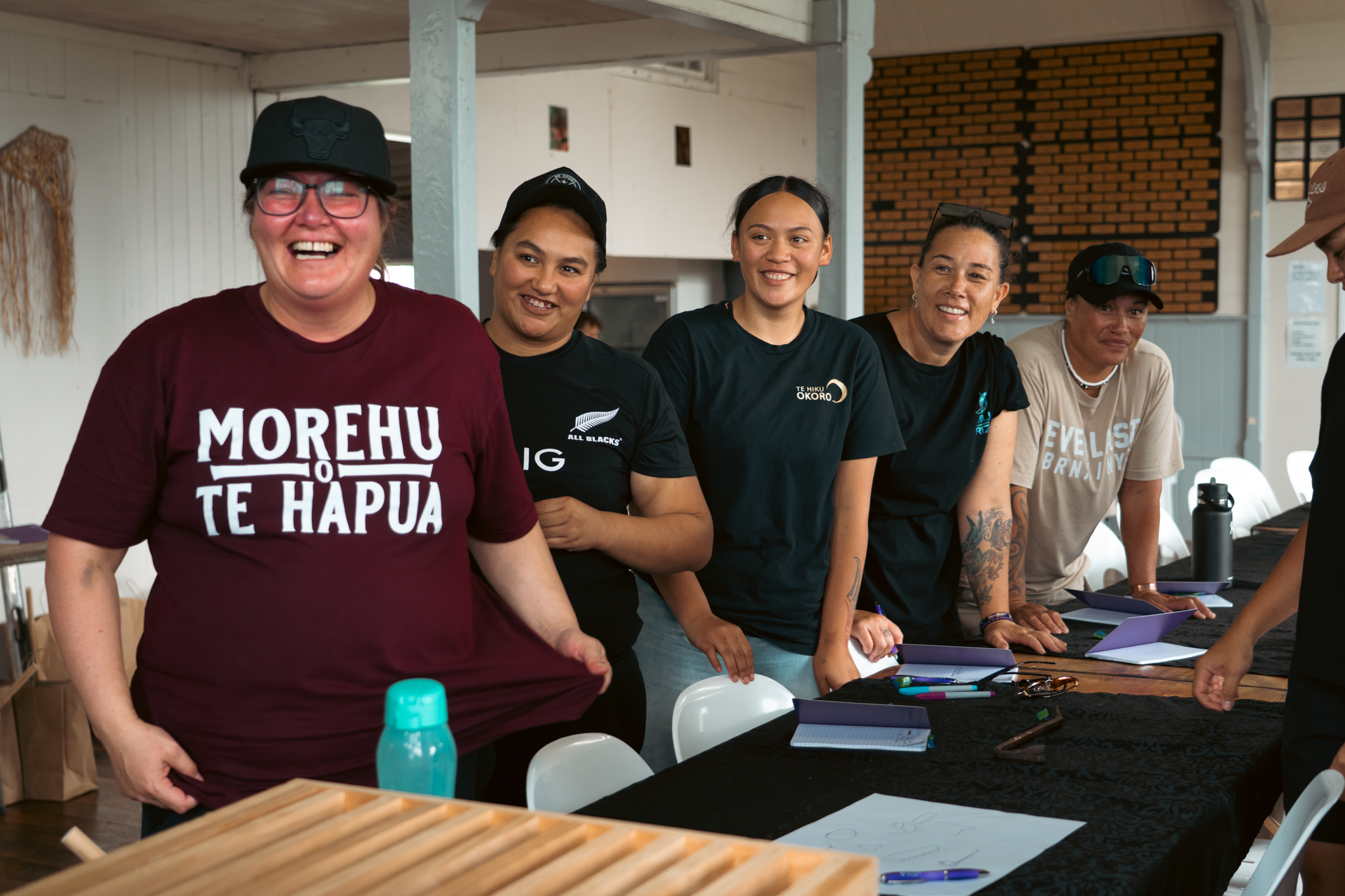
"I'm a qualified chippy, but when I did my apprenticeship, I hardly saw any wāhine around, let alone wāhine Māori,” she says.
"I wanted to give wāhine the space to learn, grow, and make mistakes without the judgement or intimidation many have experienced in male-dominated environments. For many of us, even attempting DIY projects at home or entering trade training has meant feeling overshadowed or doubted."
Taitamāhine as young as 16 to wāhine aged 75 have been part of the kaupapa. Some come for the skills, some come just to get away. For Ruby, and for others like her, it’s the calling of a place they have whakapapa to but have rarely returned.
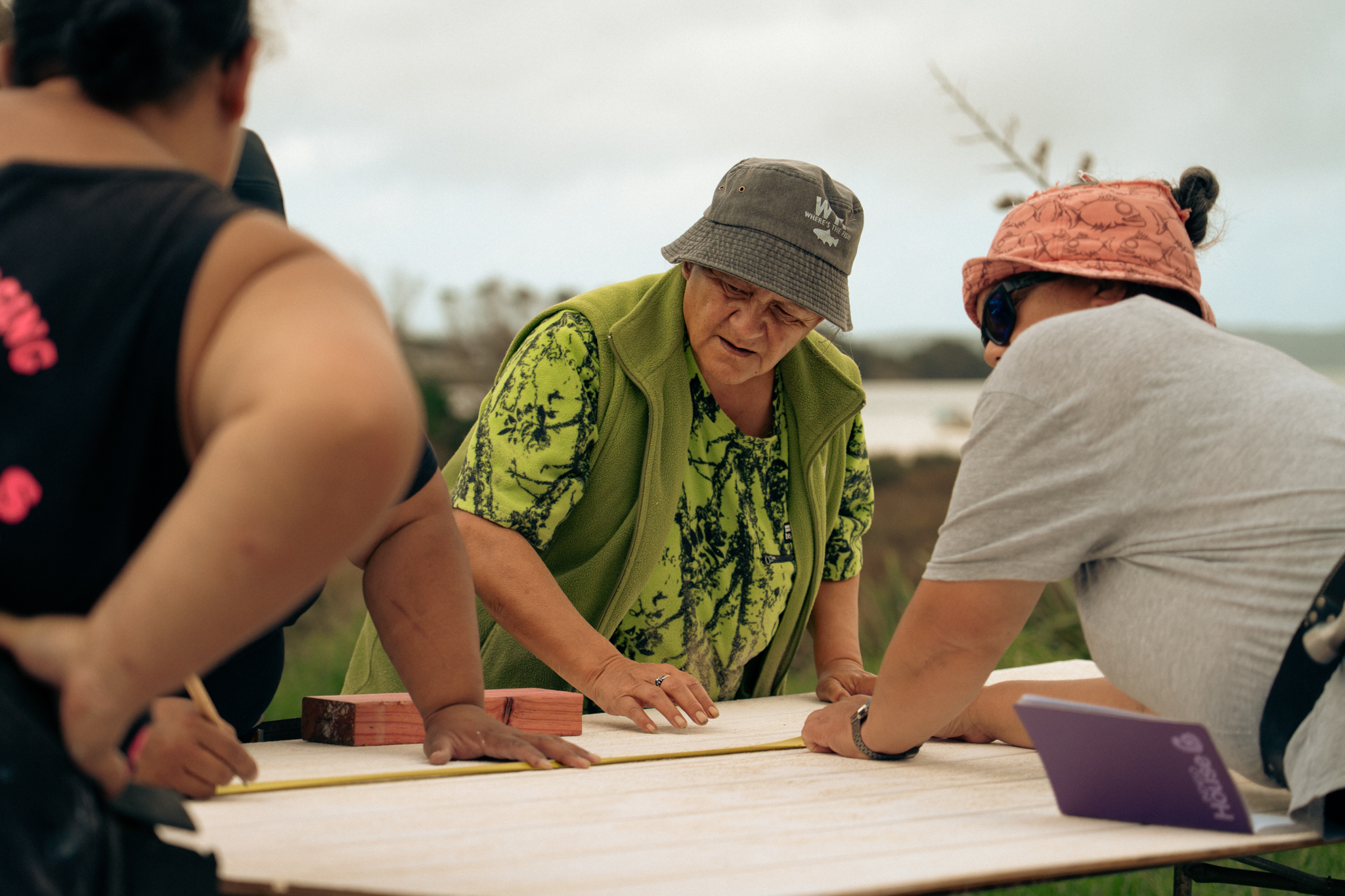
Ruby had first heard about The Fire Project years earlier. The first time she tried to register, the spots filled in three minutes.
"As soon as I heard Te Hāpua, I was making it. I needed to come here for the reconnection," she says.
"I'm doing it for my kids, so they can see that their mum is strong. That women can do everything, and so that my sons have a respect for wāhine too."
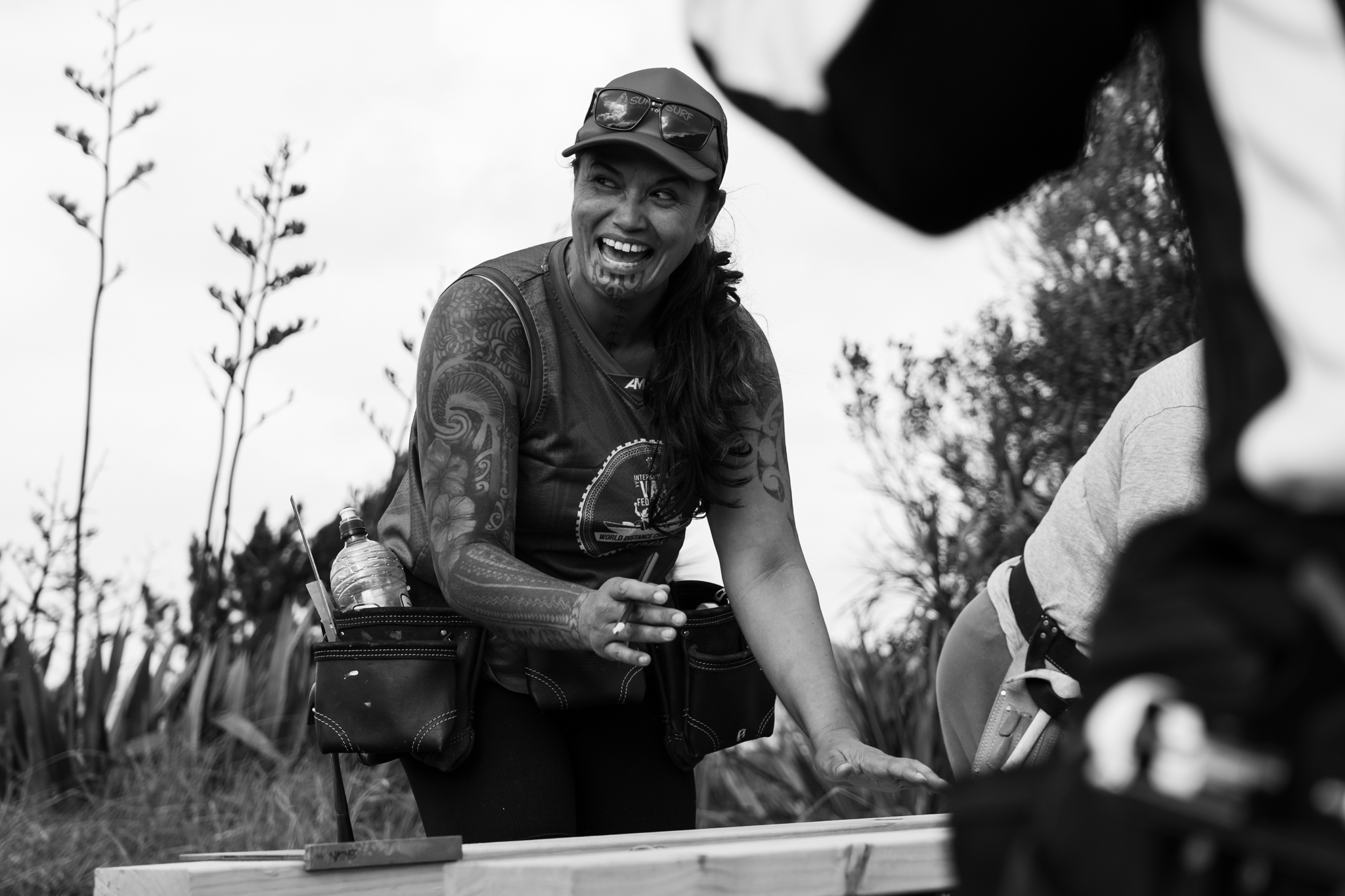
It’s Friday and the frame is up.
Participants are lining up studs and calling out measurements. One shows the next where to angle her cut. Another is standing back to check her work.
Aroha moves between them. By now, there’s less for her to do.

By Sunday, Ruby is talking about something other than the build or the cabin itself.
"Just being here, I feel like the locals have come in and said, you know, welcome, nau mai haere mai, you're back home. The embracing part of who I am," she says.
"We managed to go fishing, we went on a barge out onto the moana, where I learnt a few things about who I am, where I am, my hapū and just some history about this place. The reconnection part has just been massive. I feel like I was meant to be here. It was the calling."
She pauses, then says it differently.

"Reconnection is a real thing. If you don't know who you are, I encourage you to go and find out who you are because it's just the best feeling in the world. My cup is overflowing."
While the wāhine are building out front, there’s more mahi happening at the back.
Aunty Maro is running a tight ship in the kitchen.
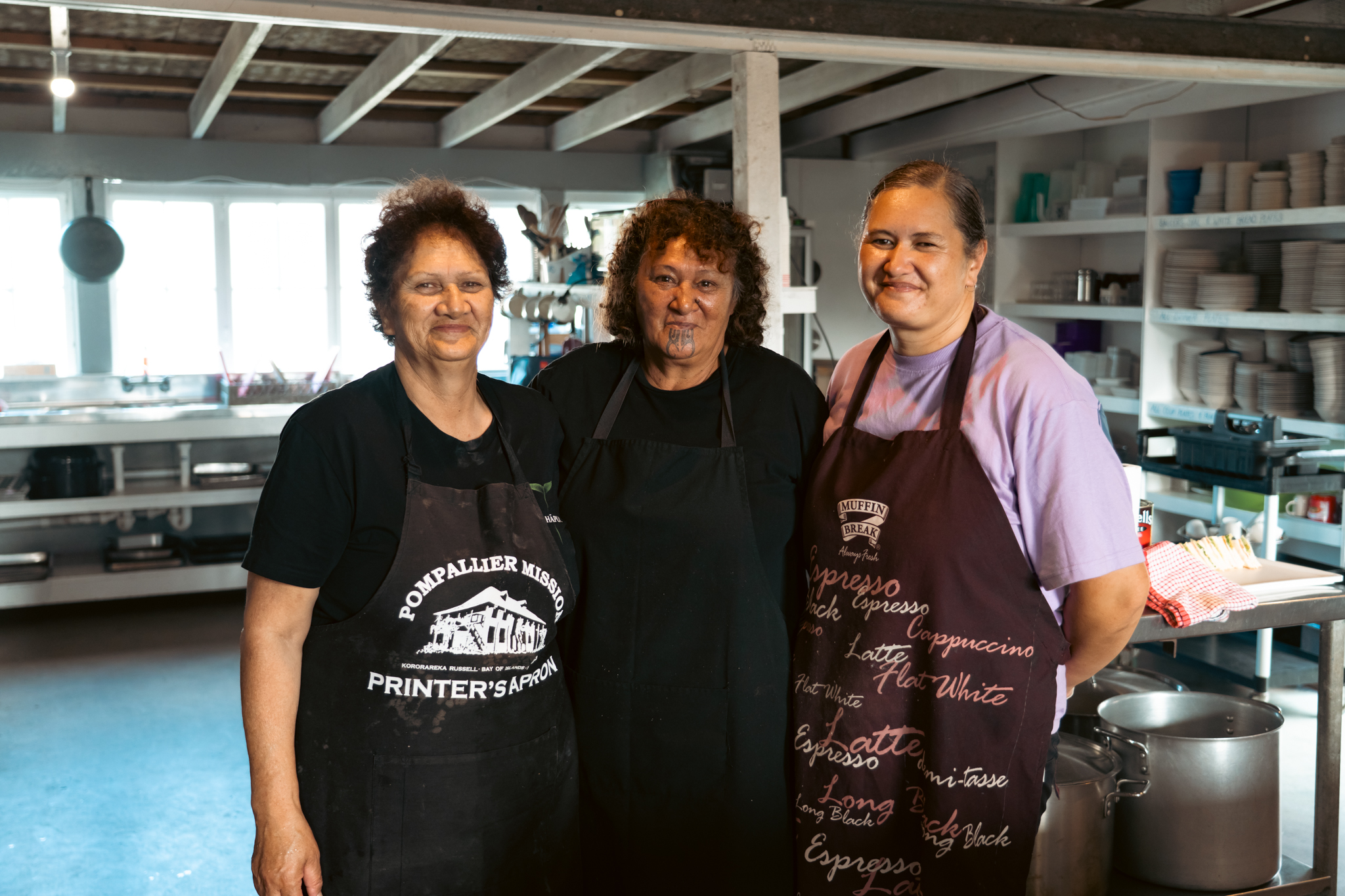
"I'm hearing that they all want to come back," she says.
Every wānanga needs someone holding the wharekai. Feeding twenty-five wāhine, three times a day for five days. Making sure everyone eats good kai, drinks warm tea, gets seconds. Without it, the build doesn't hold.
"Unfortunately, there's not a lot of jobs going up here. A lot of women on this project grew up here and they've all gone away to Auckland to work, but everybody wants to come home in the end. I think for some of them, this is their way of giving back to their community."
But not everyone who visits the site sees it that way.
"We get people coming onto the site to check out what's going on, asking if we need help," says Aroha.
She isn't talking about locals.
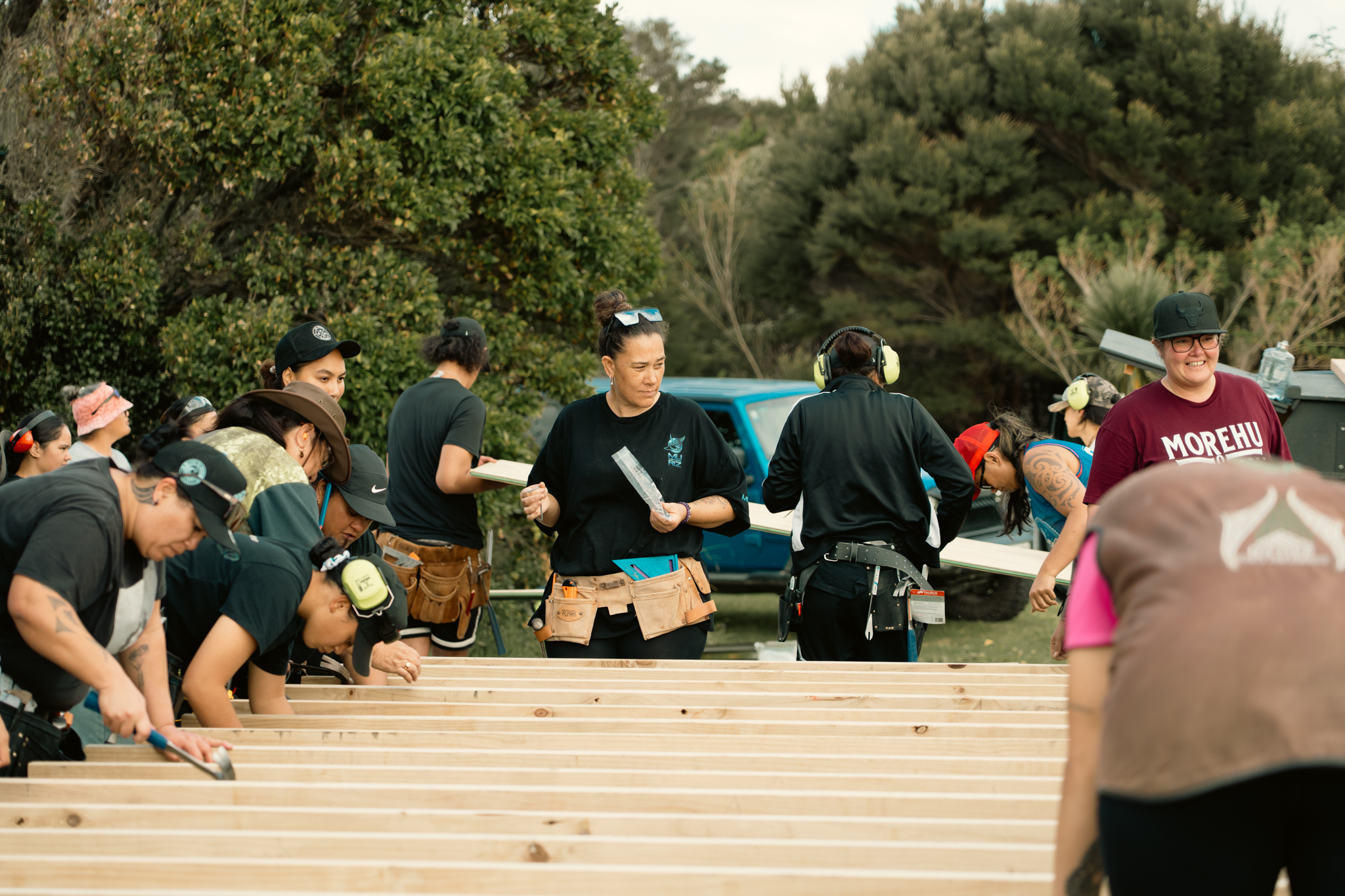
"They come onto our site and they're amazed, absolutely shocked. And I'm just like, 'why are you surprised?' I feel gutted, because they obviously have the mindset that women can't do this type of mahi."
"We're just trying to change the narrative,” she adds.
“If someone walks away and realises, oh actually, the ladies are more than capable of this, then maybe more doors will open for us."
Aroha is already thinking about what comes next. Workshops in rural schools where trades aren't on the timetable, succession plans for the next generation of facilitators. The dream, eventually, of Native's own school.
"We've considered taking it outside Te Tai Tokerau," she says.
"We’ve definitely had interest from outside of Northland, but we can't replicate how we are as facilitators. We need to build a succession plan of wāhine who want to do it too. Just making sure that whoever delivers this wānanga, that it's delivered in the same way."
For now, the kaupapa stays in the rohe. Hundreds of wāhine have driven home. Some from around the corner, some from further away, some coming home for the first time in a long time.
Ruby is one of them.
There’s a kind of wellbeing that doesn't show up in the usual measures. The kind that comes from knowing who you are and where you belong.
That is what this kaupapa builds, one cabin at a time.

Native Sports Performance has three Ahikaaroa cohorts currently running across Te Tai Tokerau: Level 2 in Kaitaia, Level 2 in Whangārei, and Level 3 in Ngāwhā. The next Level 2 intake opens in Ngāwhā in February 2027.
Wāhine interested in future intakes can contact Native Sports Performance directly.
The next Fire Project wānanga is planned for later in 2026.
This story was developed by Healthy Families Far North in support of Native Sports Performance.
.svg)
Our Connections | Ngā torotoronga
These are the communities, iwi, and organisations we've worked alongside.
Click to explore projects we've built together.
.webp)