Ka pupuhi te hau, ka tangonge noa: Growing taro together in Te Hiku
Growers gather in Kaitāia to share taro knowledge and stories.
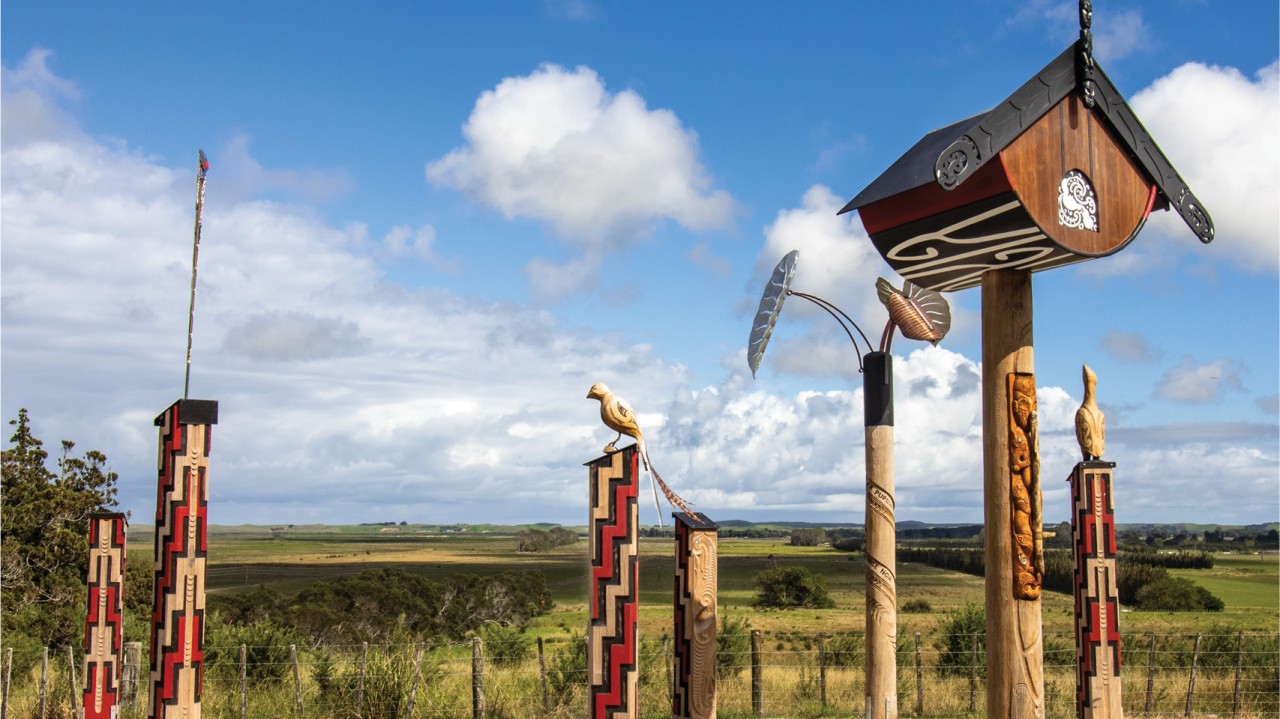
On the western edge of Kaitāia, a tomokanga on Redan Road looks out over Tangonge. The whakataukī carved into it, ka pupuhi te hau, ka tangonge noa, refers to the sound of taro leaves rippling and rustling in the wind.
Huge taro gardens were once cultivated on the fertile fringes of the lake. Tangonge was one of the largest swamp gardens in the country, a wetland that fed large numbers of Te Rarawa people with crops, waterfowl and a diverse freshwater fishery.
The taro gave the place its name.
Taro doesn't thrive here like it used to, but it never left Te Tai Tokerau. Growing taro is one way whānau in Te Hiku are rebuilding access to kai that has deep roots in this place.
“There are a few people in the region who know quite a bit about growing taro and the different varieties available,” said Dave Lasike, a Kaitāia local who’s a bit of a haututū in the maara.
Testing different taro varieties in his own backyard, he called a wānanga alongside Healthy Families Far North, to bring growers together to share knowledge and experience.
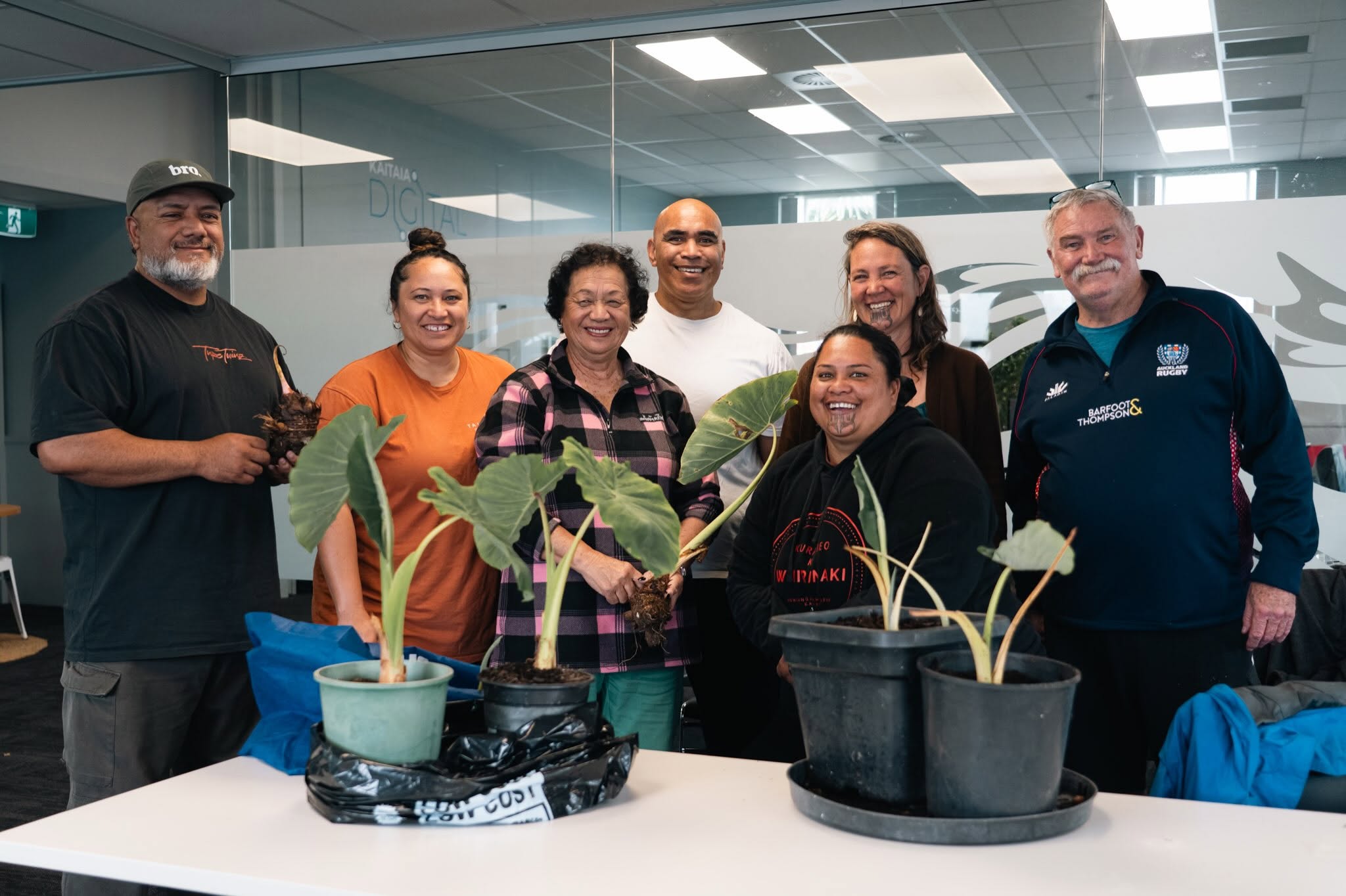
“It was pleasing to have a few growers attend. It was a small group, but there was a good amount of experience and knowledge in the room. We also had people who understood how taro grows across the Pacific and in the islands which was really encouraging.”
Taro came to Aotearoa with our tūpuna from the Pacific. The wānanga invited growers on both sides of that whakapapa to share their connection to the plant, along with their stories and memories of it.

“My dad used to grow taro in the backyard when we were little, and he still grows it today… Taro has always been part of life growing up. Whether it was family gatherings, birthday parties or big feasts, there was always taro around.”
The history of taro here in Te Hiku brought up feelings of appreciation, he added.
“Knowing that taro was once growing here in abundance and was an important staple resource for people was quite significant. It was a source of kai, nutrition and fibre, and an important part of people's everyday lives.”

He said he wanted to make people more aware of the value of growing taro.
“It's such an easy vegetable to grow and given that it has historically been an important crop here in the Far North and is still growing in different parts of the region today, I thought it was important to highlight that and bring it to people's attention again.”
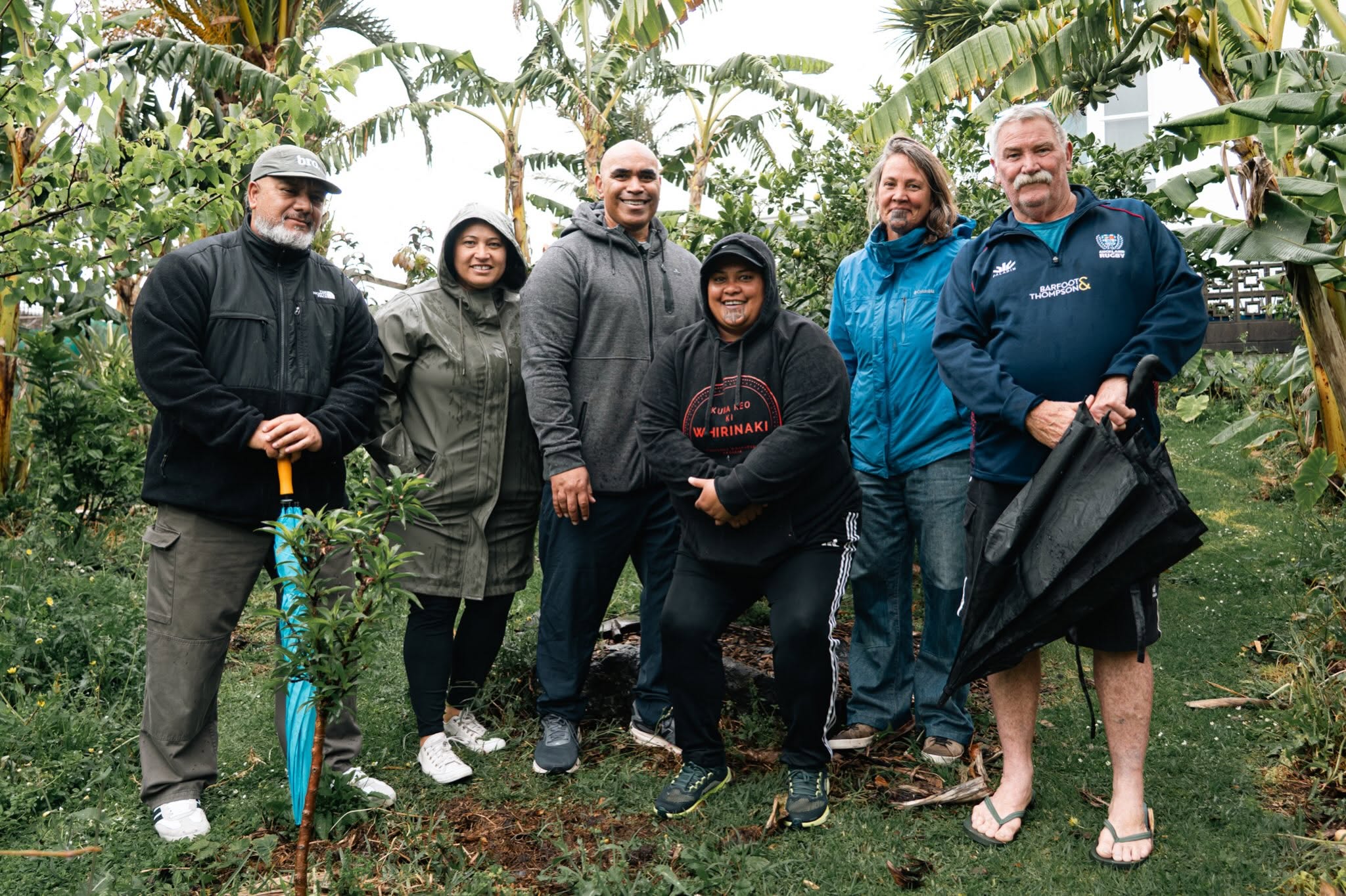
The group visited Dave’s place to see his crops and varieties up close, taking home their own taro to plant.
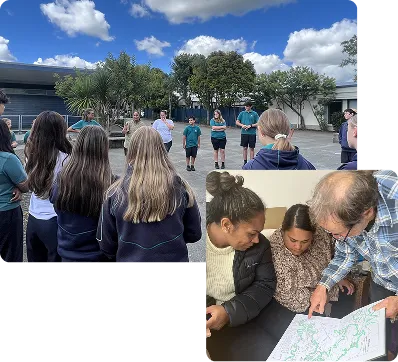
While more visits are planned to see how whānau are growing taro, a group or taitamariki will help map where taro is growing across the rohe, including the varieties found in each area and the conditions that help it thrive. A cook-off event has also been discussed.
Elizabeth Motu, Māori Systems Innovator at Healthy Families Far North, said the day shows what happens when communities are given space to connect.
"Growers have been learning and testing things in their own maara, but there was a need for a space where knowledge could be shared. Māori and Pasifika have that shared connection to taro, so bringing growers together lets that connection do its work," she said.
"Whānau growing their own kai, with knowledge that belongs to them, is part of what a healthy community looks like. Taro has a long history here, and it's good to see it coming back."

He kōrero ano
Read more stories, insights and kaupapa happening across Te Tai Tokerau.
Storing the harvest: A small box for a big problem in Waimā

Manaaki Matters Report: How Aotearoa’s biggest event is embedding hauora at scale

Manaaki Matters: How Aotearoa’s biggest event is making small shifts for big impact towards hauora Māori