.svg)
Storing the harvest: A small box for a big problem in Waimā
Waimā growers trial storage boxes to stop kai waste.
It takes a while to get to Ricco Tito’s place. Waimā sits deep in the Hokianga, off the main roads. The kind of drive where the shops aren't just down the road, and neither is much else.
By the time the Healthy Families Far North team arrived, Ricco already had the build site set up and kai laid out ready to go. Whānau were coming and going all day. Some stopping to watch, some just passing through. People driving past beeped and waved. It's a close community, and it felt like one from the moment everyone arrived.
That distance matters.
Waimā is growing more kai than its current storage can handle, and being a long way from town makes the gap harder to close.

Māra kai in the valley spill over with kūmara, peruperu, kamokamo and every spring and summer vegetable in season. More tomatoes, pumpkin, herbs, brassicas, silver beet and fruit than any one household or marae could use.
Ricco has grown kai in Waimā for two years now, building a market garden at this scale under the guidance of his father-in-law Matiu Absolum and koroua Papa Rereata Makiha. He started by planting 3,000 kūmara seedlings for the community and has quickly become one of the valley's well-known growers in the time since.
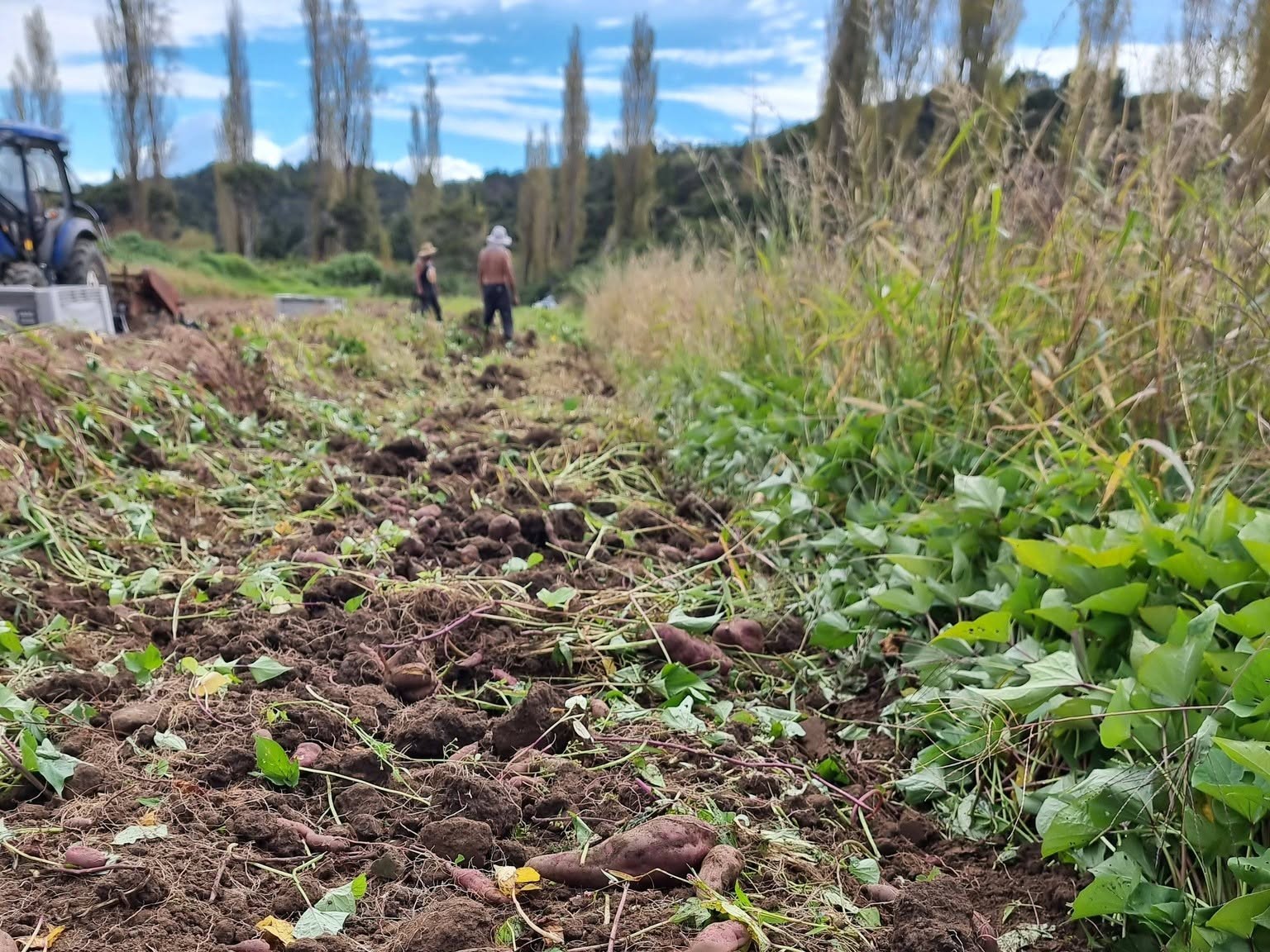
Between them, Ricco and his growing partners work close to five acres across three sites: Te Piriti, Pirikotaha and Ricco's own block. Alongside that, they also tend the māra kai at Te Kura o Waimā.
Kai grown here moves out to marae, kura, iwi and whānau right across the region. Ricco believes they're among the biggest distributors of kai in the Hokianga.
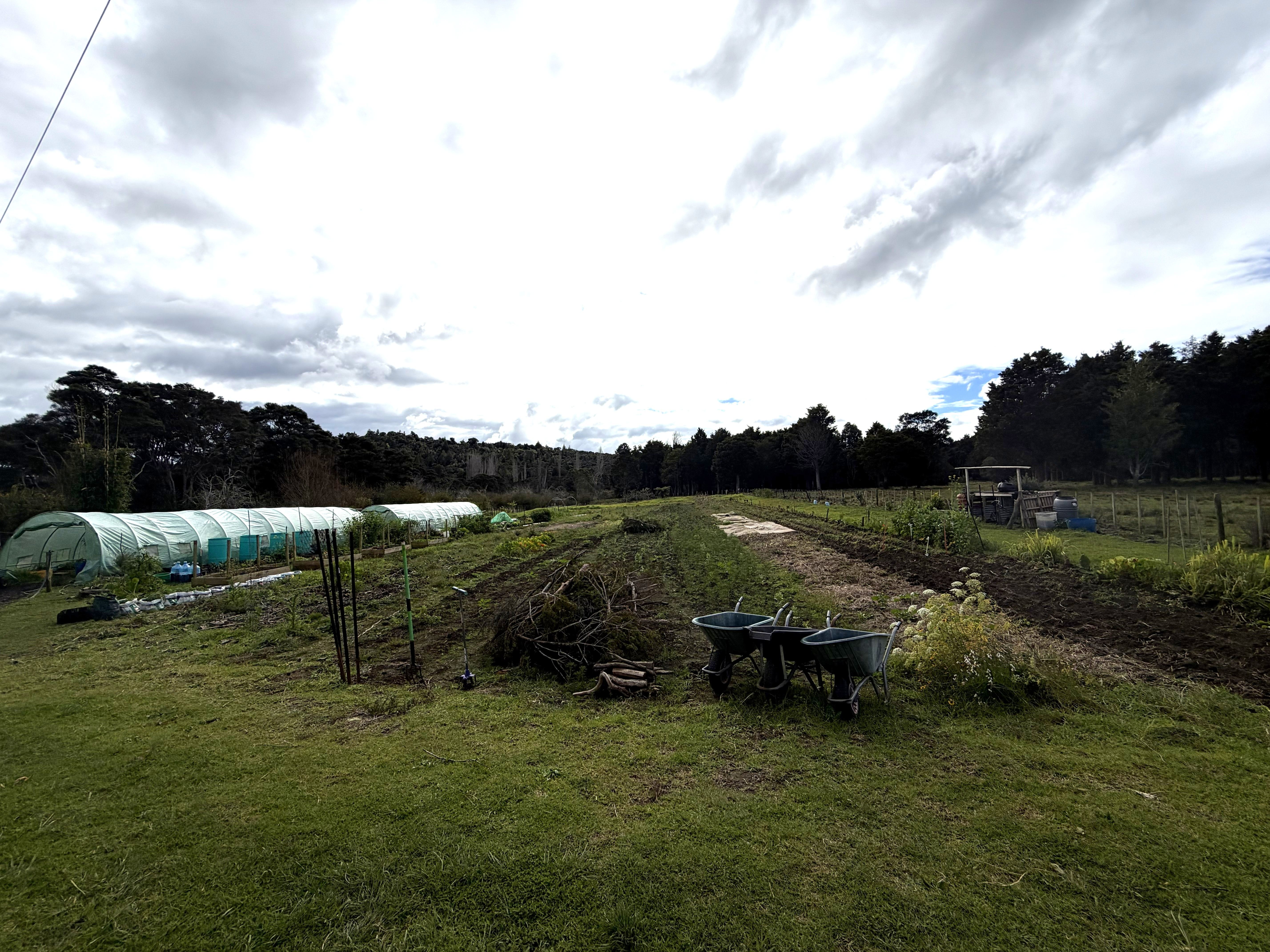
“In terms of giving away kai for free, I’d say we are the biggest,” he says.
“Commercially there may be other growers, but we’re definitely one of the biggest producers.”
That's not the problem. The problem is what happens to the kai in between growing it and getting it to someone’s table. With nowhere to keep it dry, cool and out of the weather, kai that's been grown and shared with care still ends up going to waste.
Adelina Tito, Systems Innovator at Healthy Families Far North, has been working alongside Ricco on a solution.
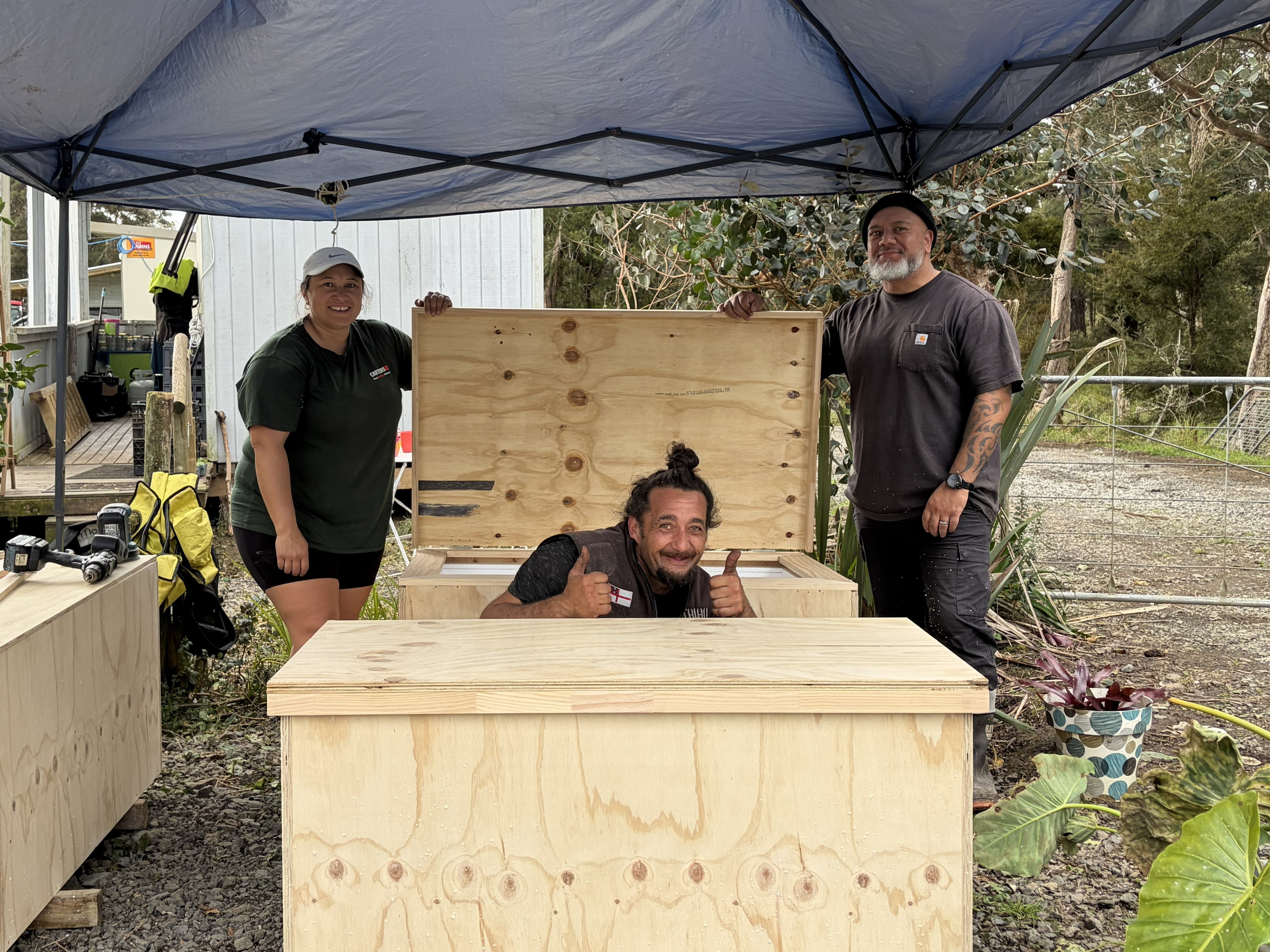
"Ricco and Papa came to us with a problem they'd already worked out for themselves, they're growing and sharing more kai than anyone in the valley can store,” she says.
“Our role is to help them test something small and see what it could do."
The first prototype is a kai storage box, built with a partition inside to keep everyday eating kai separate from saved seed, so each box supports both feeding a family now and planting again next season. Each one comes with a seasonal planting guide and instructions for use, and is designed to sit out of the wind, rain and sun to help kai and seed last longer.
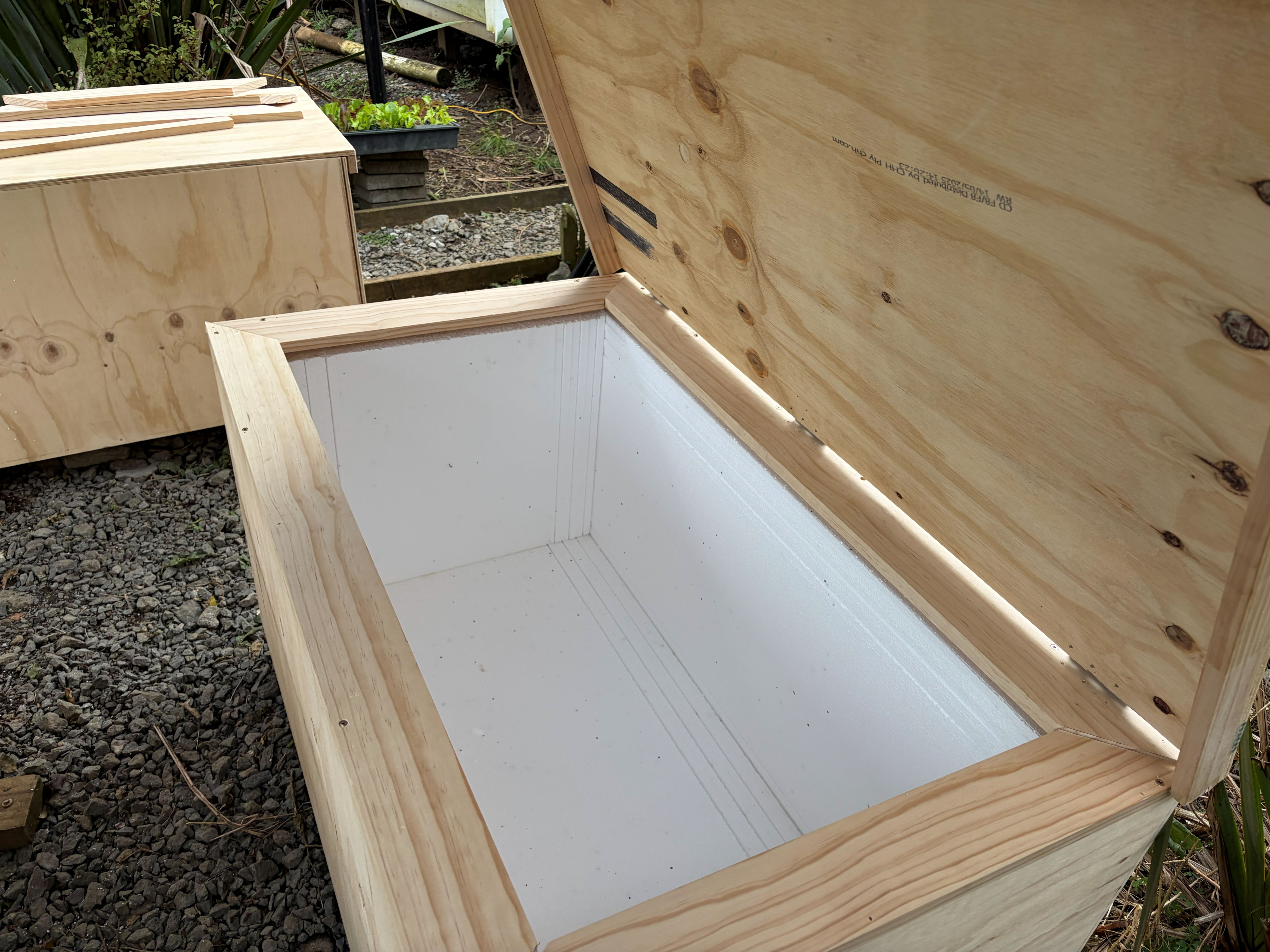
"Out of the elements, wind, rain and sun will prolong the shelf life of the food and the integrity of the box itself," Ricco says.
Three prototypes are now out with whānau across the Hokianga, being tested over the coming months.
It's one part of a wider approach. Traditional methods, raised whata kai, rua pits dug into the ground are still doing their job in Waimā too. Ricco is building a raised whata capable of holding up to 500kg of food, alongside pest control to keep it safe from rats and possums.
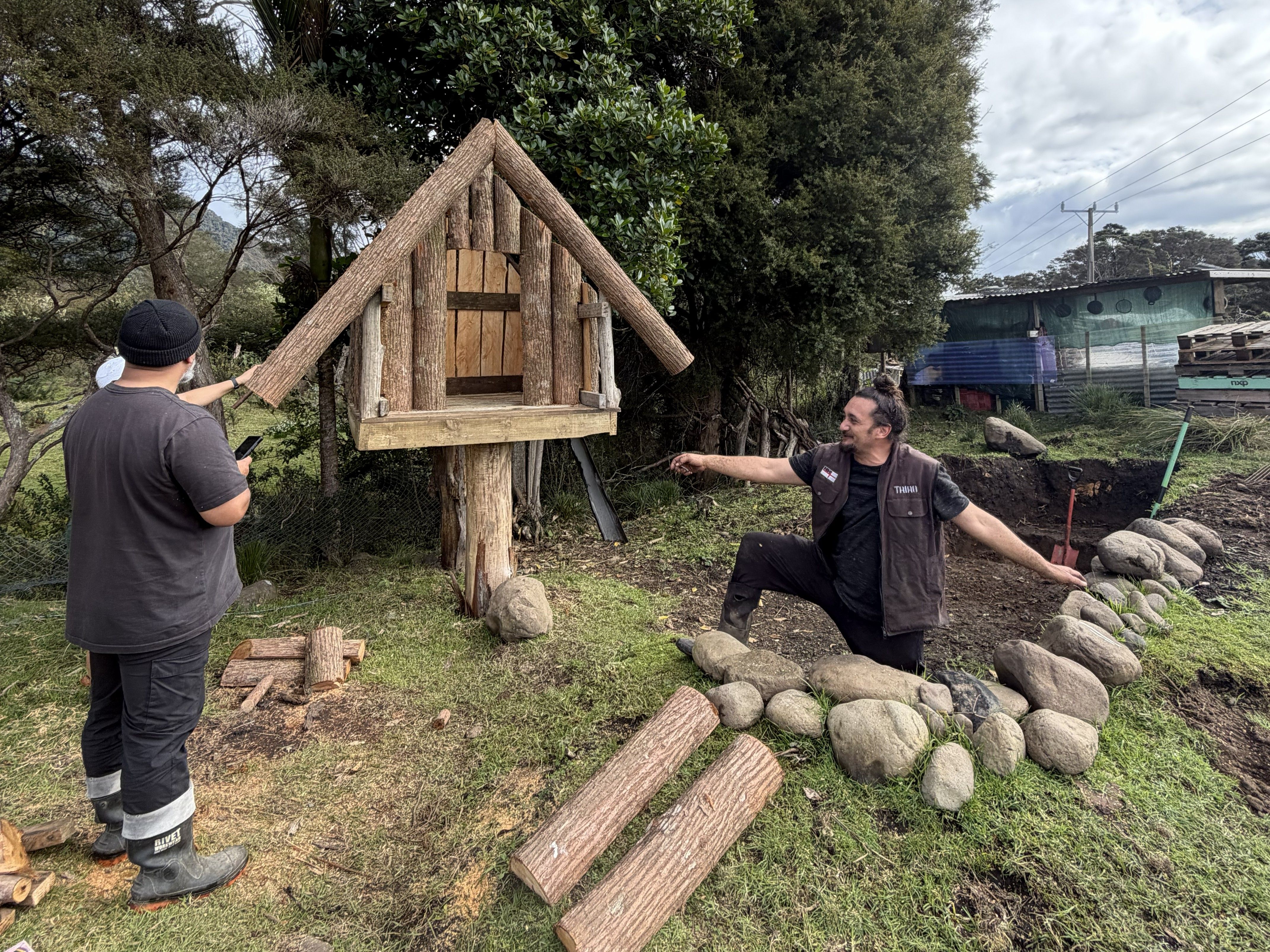
"Traditional methods like raised whata and rua are fine to an extent," Ricco says.
"But we grow tonnage of food."
Ricco and Papa Rereata also grow heritage taro varieties sourced from around Te Tai Tokerau alongside several types of riwai, everything from staple crops to seed stock for next season.
That's part of what's driving the search for something more.
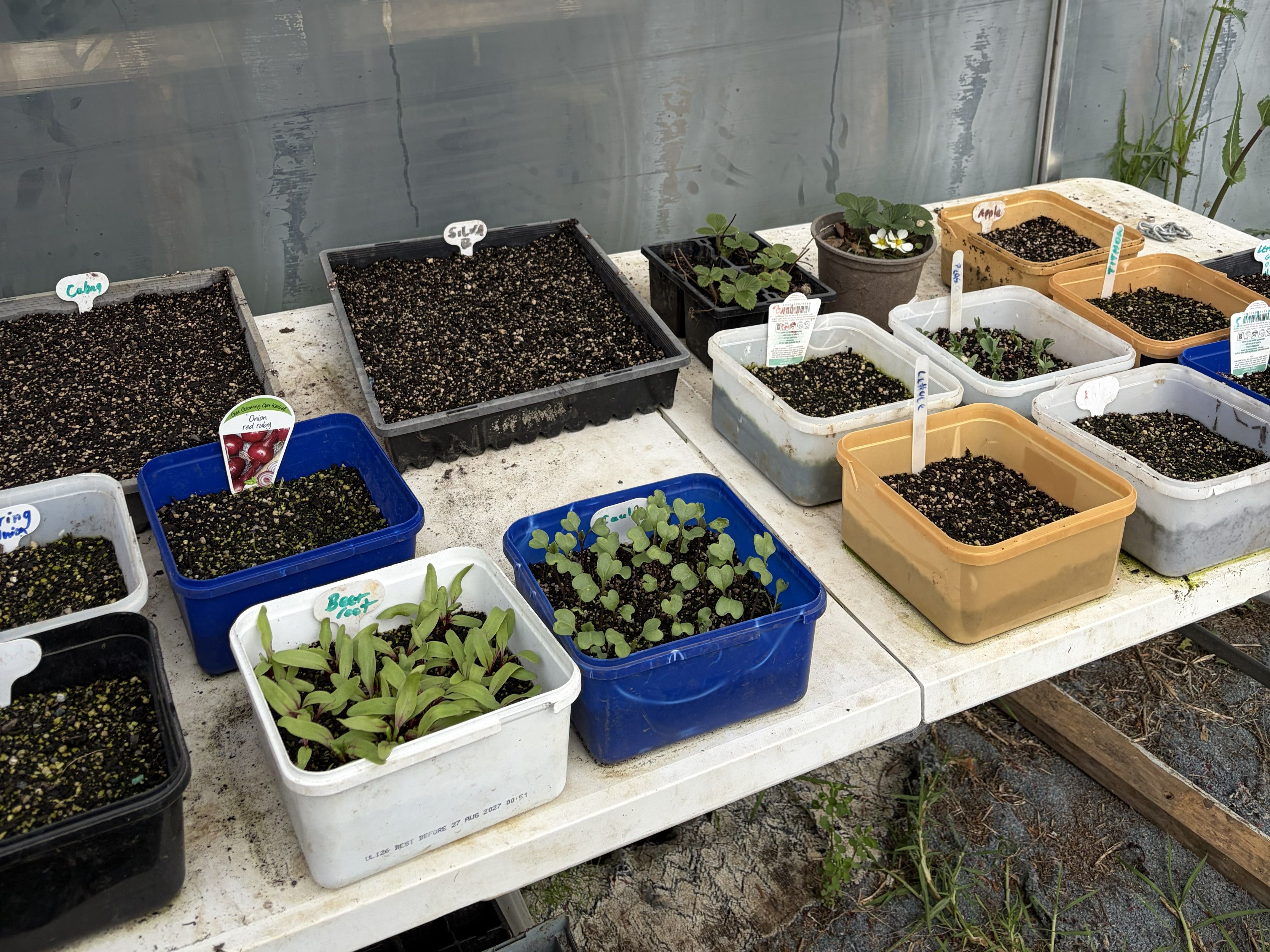
The boxes are a start, but they're not the whole answer. Growers in Waimā aren't just short on storage, they're growing more kai than their current networks can move, even with somewhere to keep it. Solving storage is what's in front of them right now, but solving distribution is the bigger question waiting behind it. Options already being explored include a solar-powered chiller unit for the garden, to support home kill, seafood and vegetable processing for the wider community.
That question is already being asked further afield.
Soon after the build, Healthy Families Far North joined a day of visiting growers across the wider Hokianga region, organised by He Kete Kai o Hokianga, a community initiative that works on the whenua across the region growing organic vegetables, reviving traditional mātauranga, and distributing fresh kai to local food banks.

The day was a chance to see first-hand what's being grown, and how. Out of those conversations came the early idea of a kai map: who's growing what, where it's going, and where the gaps sit. It's a natural next step alongside the mahi already underway in Waimā, and a sign that the storage problem in Waimā is part of a much bigger picture across the region.
Food security starts with the basics – knowing how to store kai so it lasts.
For now, it's three boxes, out with whānau, doing their job.
Ngā mihi to Ricco, Papa Rereata and the Waimā community for the vision, and for the mahi they continue to do to keep kai moving to whānau who need it.
.svg)
He kōrero ano
Read more stories, insights and kaupapa happening across Te Tai Tokerau.
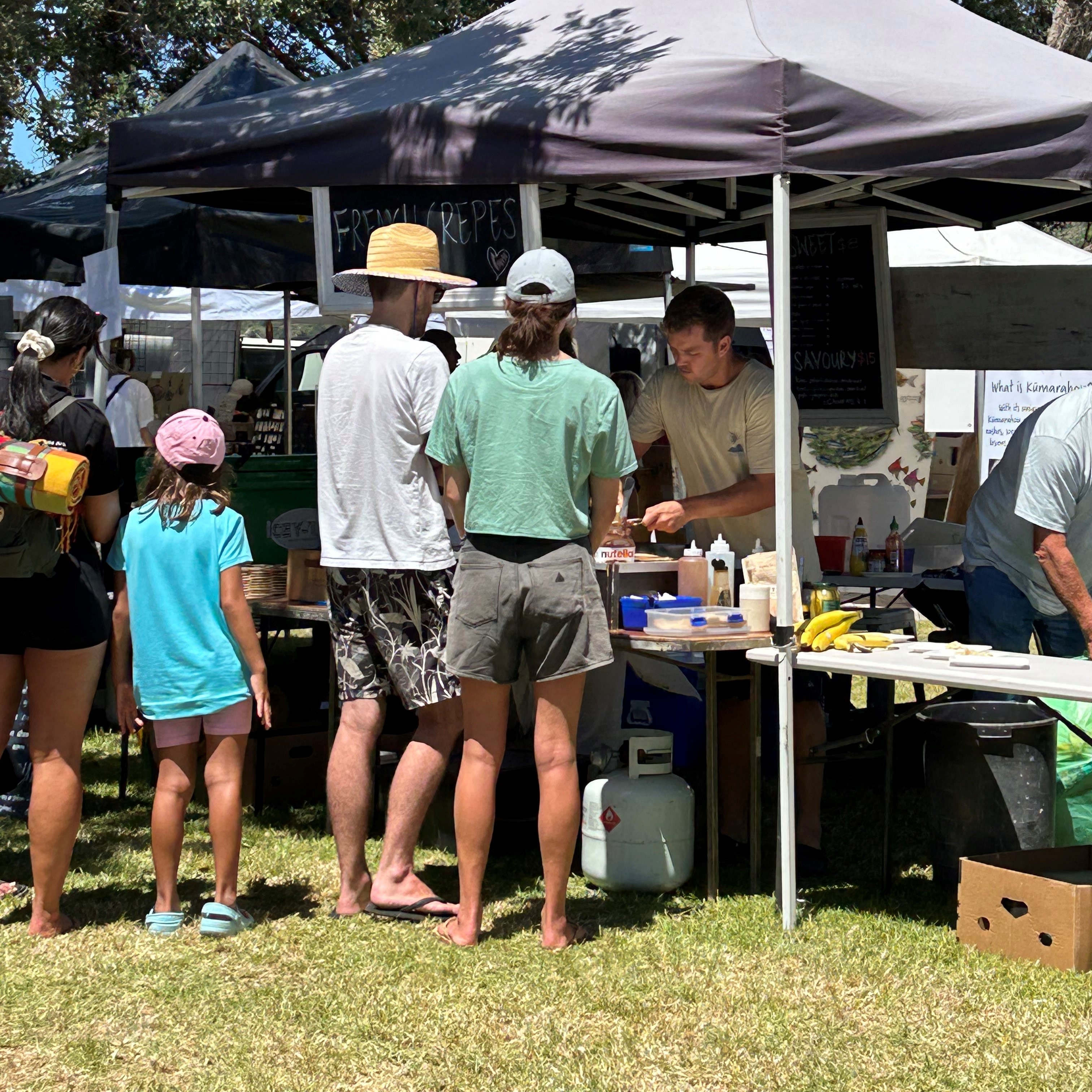
Manaaki Matters Report: How Aotearoa’s biggest event is embedding hauora at scale

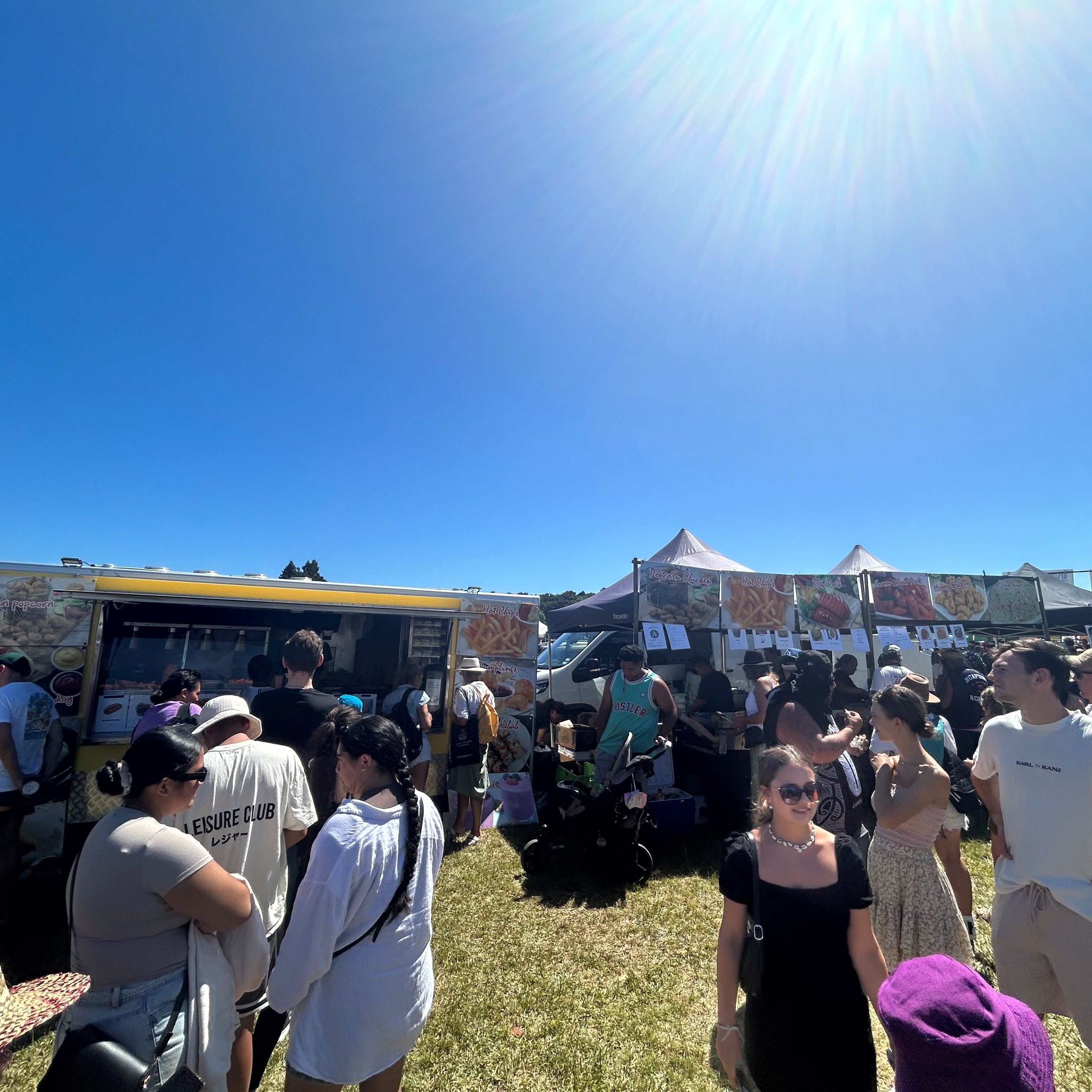
Manaaki Matters: How Aotearoa’s biggest event is making small shifts for big impact towards hauora Māori
Rangatahi explore kaitiakitanga in the Far North
Kai Ora Fund: Understanding the impacts and potential opportunities for increasing kai resiliency

Community voice shapes new food and wellness hub in Whangaroa
.webp)